How to Keep Ice from Sticking Together: Essential Tips for Bar and Restaurant Owners
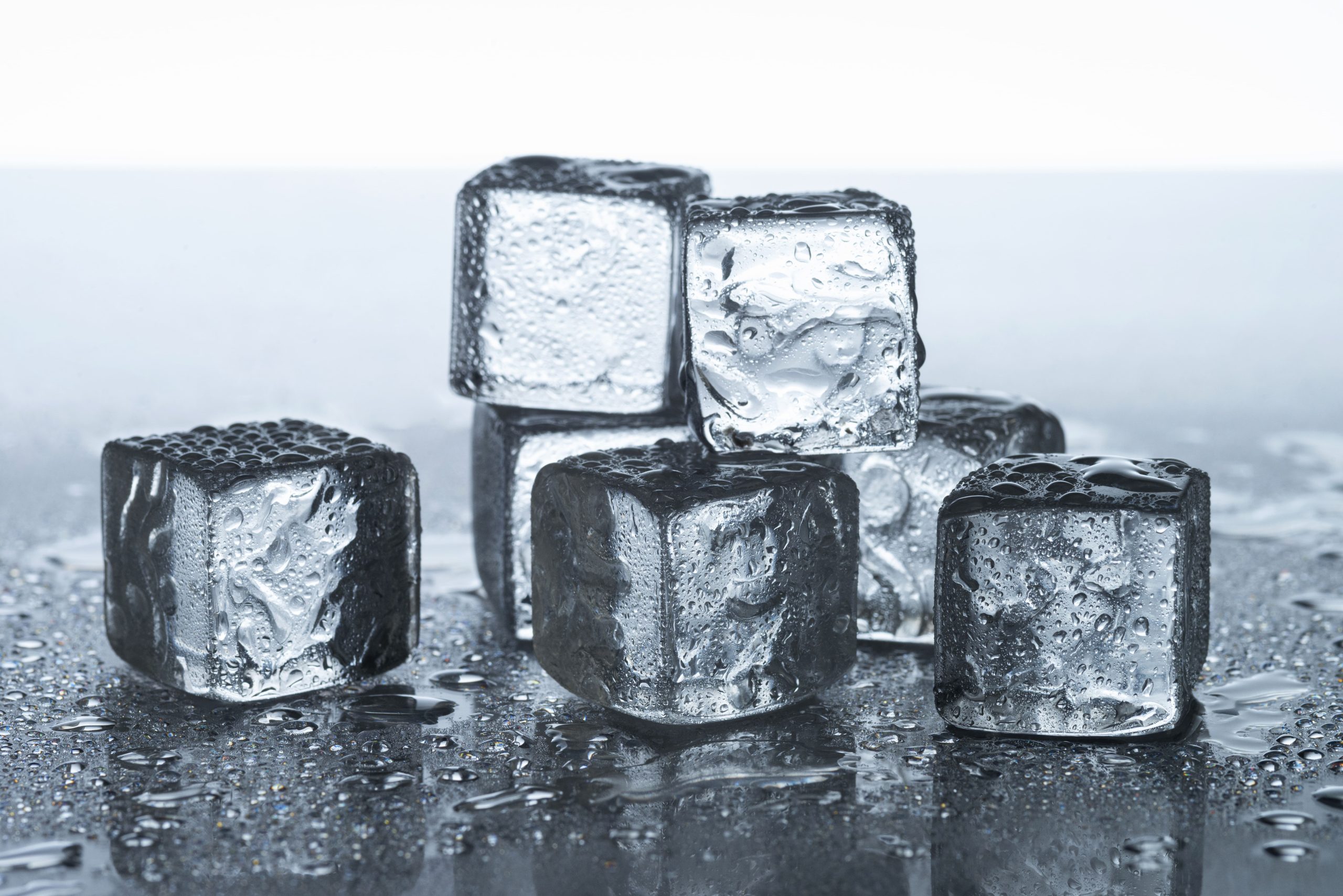
There is no doubt that perfect ice cubes in cocktails have a great importance for all bars and restaurants as one of the cocktail components. This is the reason why most of them want to know how to keep ice from sticking together after making it in an ice block maker machine. Let’s learn some useful advice for cocktail makers about what storage methods are the best for preventing clumping.
To effectively keep ice from sticking together, you must prevent surface moisture from refreezing. Store your ice in a breathable brown paper bag (which absorbs excess moisture), maintain a consistent freezer temperature of -18°C (0°F) to avoid melting cycles, and use foil or plastic separators when stacking large craft ice blocks.
Why Does Ice Stick Together?
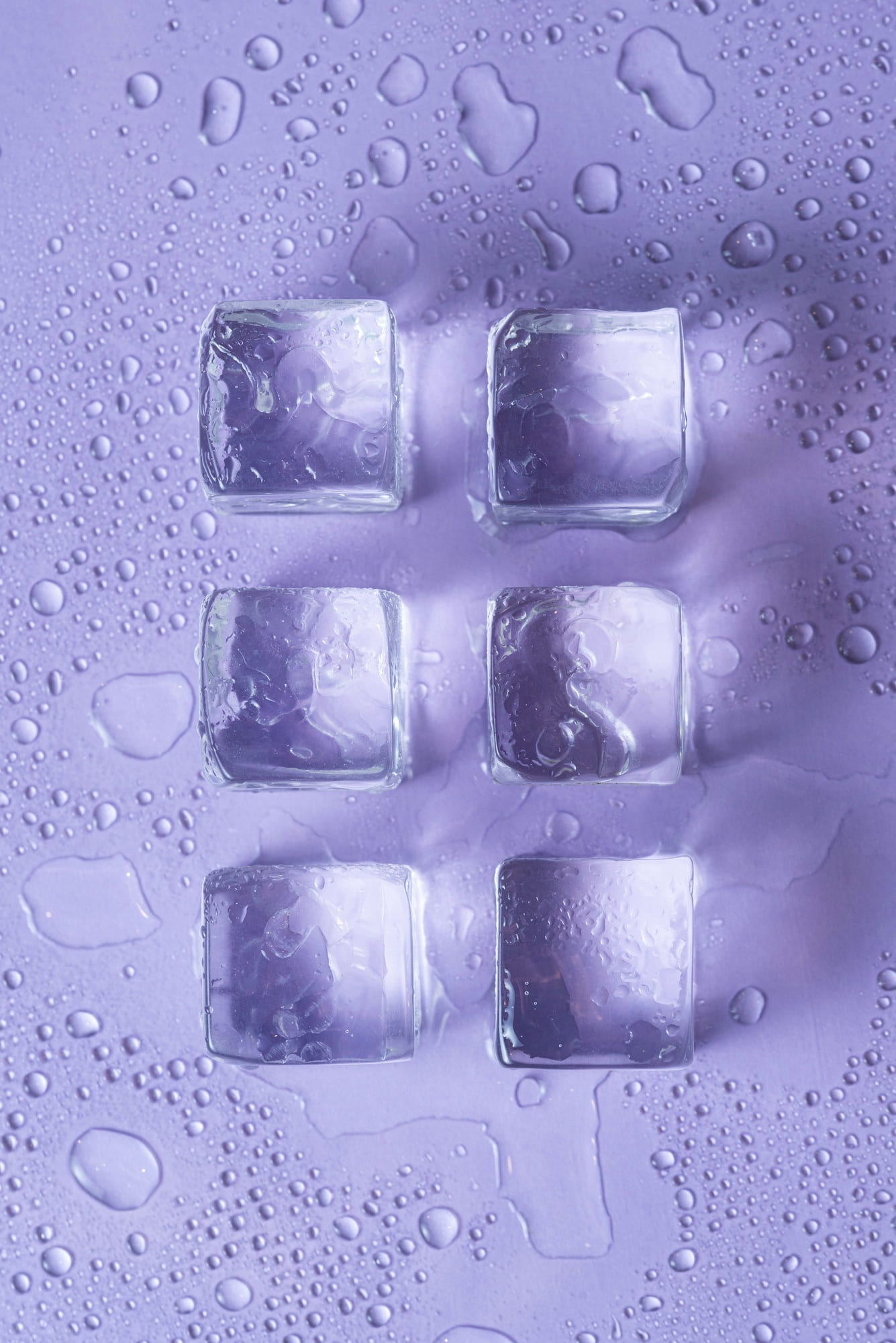
The primary reason ice sticks together is a combination of temperature fluctuations and surface moisture. When the freezer door is opened, warm ambient air enters, causing the microscopic outer layer of the ice cubes to melt slightly. When the temperature drops again, this surface moisture freezes, creating strong hydrogen bonds between the cubes. This melting-and-refreezing cycle is exactly why you need to know how to keep ice from clumping together in freezer environments.
Common Causes in Bars and Restaurants
Catering establishments frequently face this issue due to fast-paced operational environments. The main causes include:
- Temperature Fluctuations: If the freezer temperature rises above -18°C (0°F), the ice begins to “sweat” and fuse together upon refreezing.
- Frequent Freezer Access: In busy bars, refrigerators are constantly opened for other ingredients, disrupting the internal climate and causing condensation on the ice.
- Improper Storage Containers: Leaving ice in unventilated plastic bins traps moisture. This proves once again that knowing exactly how to keep ice maker ice from sticking together is a critical operational skill.
Handling and Packaging Techniques

When discussing how to keep ice cubes from sticking together, proper packaging and handling are your first line of defense against moisture transfer.
The Importance of Plastic Separators During Storage
For large, premium ice blocks or spheres, stacking them directly on top of each other guarantees fusion. Using food-grade plastic containers with physical separators prevents the ice pieces from touching. This physical barrier completely eliminates the risk of clumping, ensuring you have flawless cubes ready for high-end cocktails.
Effective Drying Methods to Prevent Ice Fusion
If you have an aim to provide effective and high-quality drying for your ice, the best idea is to use plastic forms with fairly high sides that will separate ice pieces. This approach will help to prevent ice cubes sticking together in the refrigerator, chest or shock freezer.
Packaging with Foil Dividers for Safe Transportation
If you are wondering how to keep ice from clumping together in freezer environments during transport or catering delivery, foil dividers are essential. Foil reflects temperature changes and acts as a non-stick physical barrier between layers of ice, keeping your premium rye whiskey ice blocks in pristine condition.
How to Keep Ice Maker Ice from Sticking Together
Here are some more important tips on how to keep ice from sticking together to create the perfect ice and prevent cubes sticking together. Just learn them and make aesthetic ice for your drinks.
Choosing the Right Ice Maker for Your Business Needs
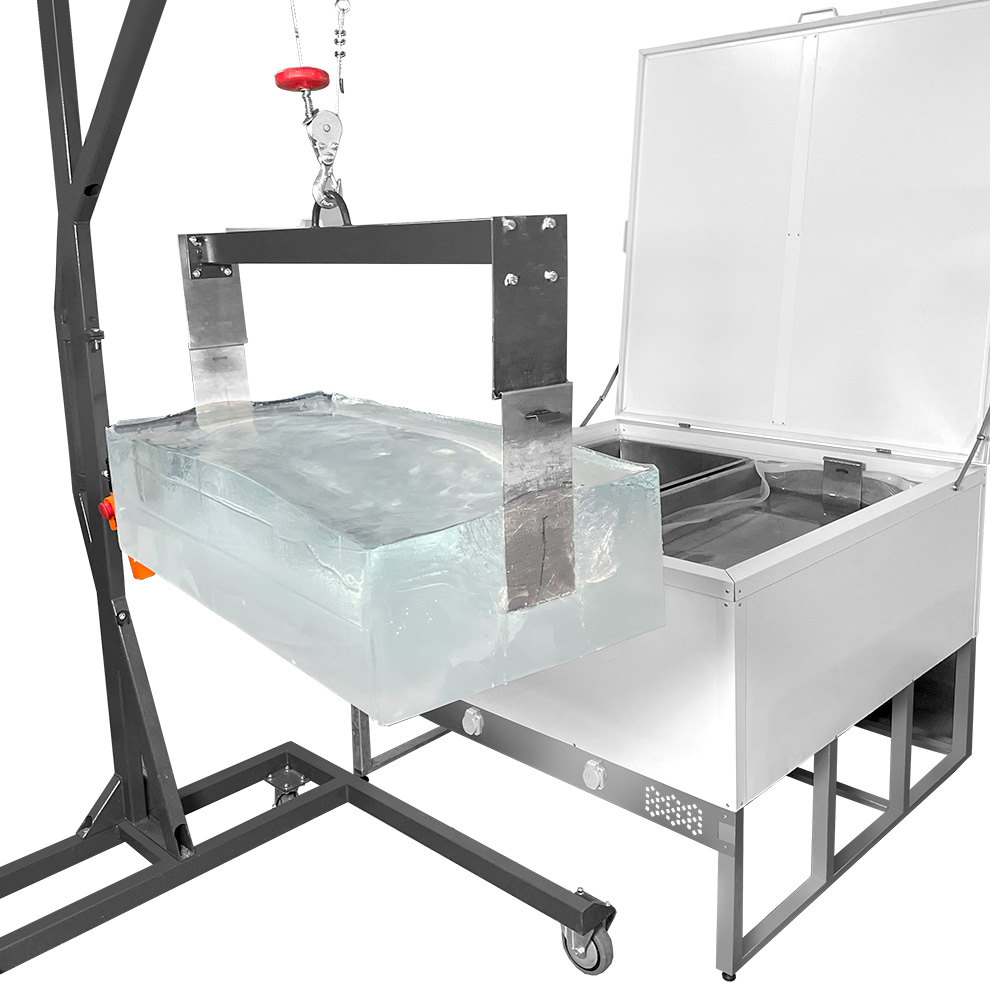
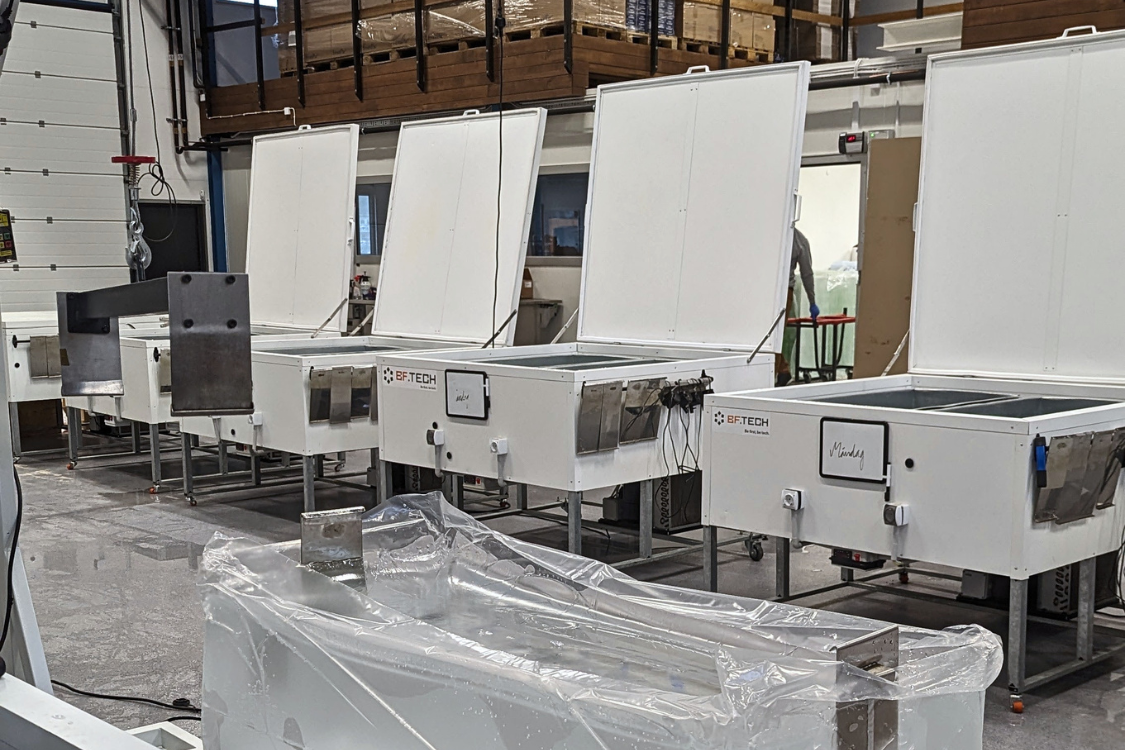
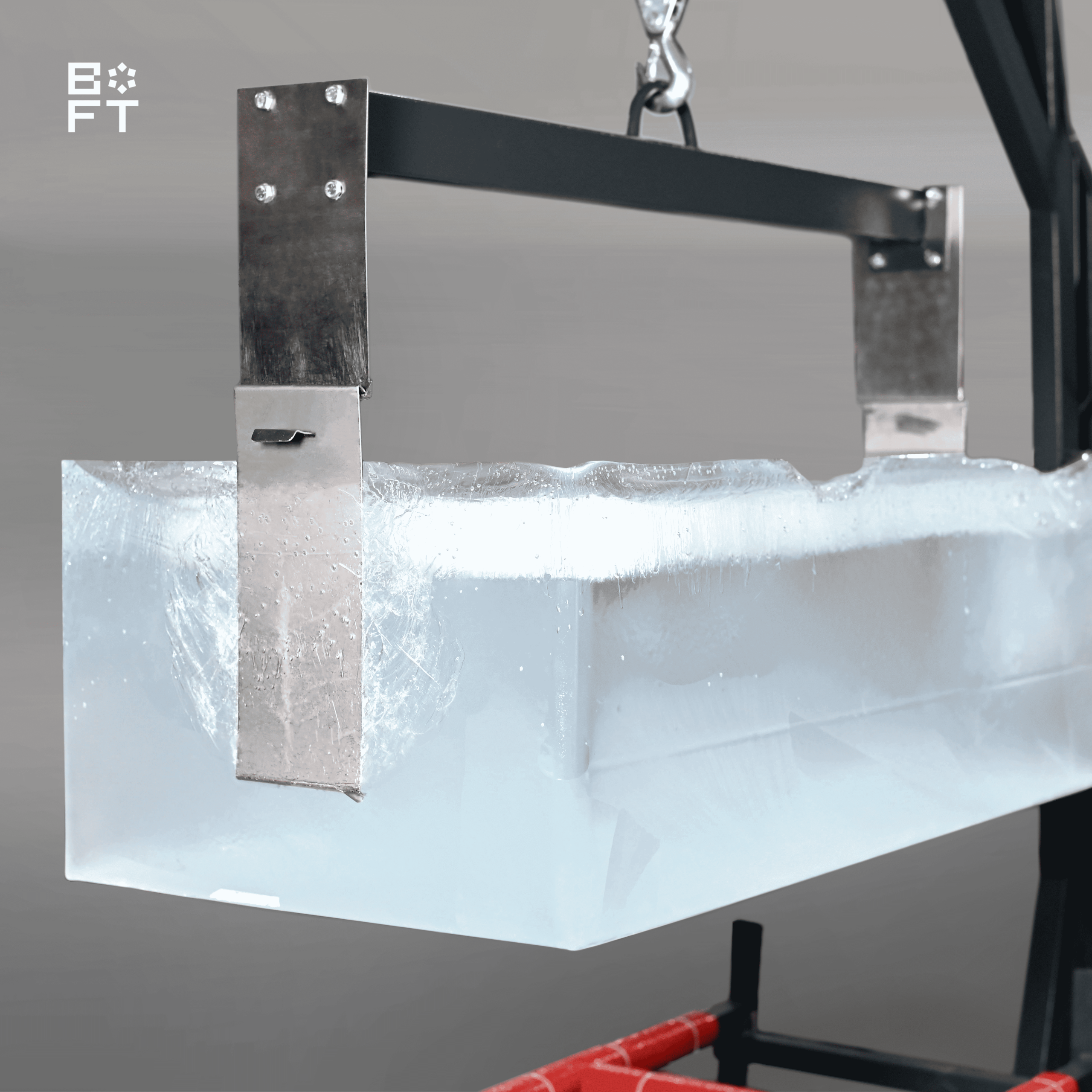
Take care of high-quality and the most suitable ice maker for your bar. Pay your attention to the manufacturer’s reputation and assortment. As an example, BF.Tech provides a great choice of ice maker machines, you can choose P300, P150 or P30 based on your preferences and the amount of ice you need at your restaurant or bar.
Benefits of Using a High-Quality Ice Block Maker Machine
Professional ice block maker machine has it own advantages, like:
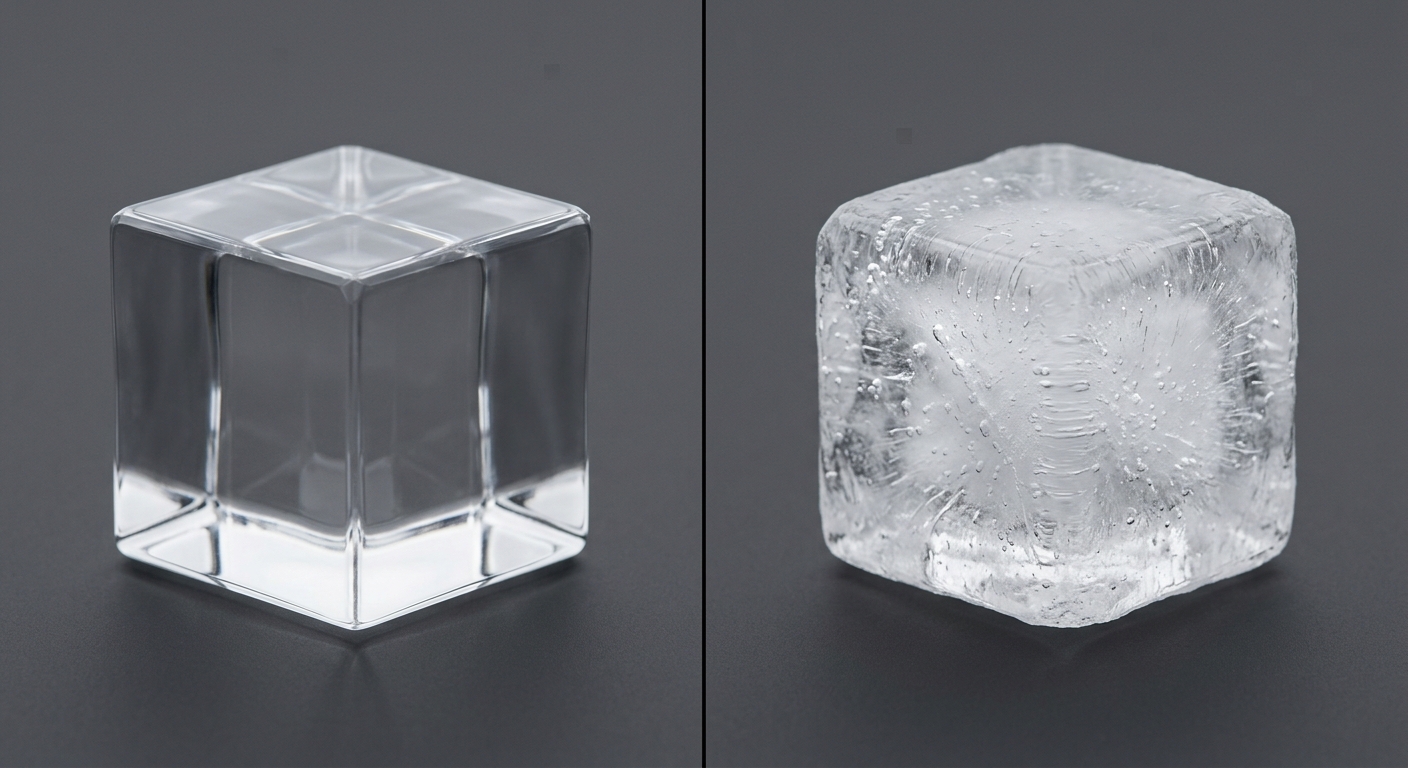
- Crystal-clear ice – just imagine you can create cube of ice with dense structure to use them as one of the craft cocktail ingredients, in rye whiskey and while creating ice sculptures.
- Make ice in hot conditions – ice makers from BF.Tech make it possible to create ice in all conditions, including high temperature rooms, because of the polyurethane insulations.
- Easy to use – our high-quality ice machine can be operated by one person, so it is easy to create the perfect ice for different purposes.
- Optimal electricity consumption – produce ice with not so huge electricity consumption to save some money for important purposes.
- Customer experience – bring your visitors an unforgettable experience of balanced cocktails, aesthetic cold drinks and alcohol-free cocktails.
How to Prevent Ice Cubes from Sticking During Storage and Delivery
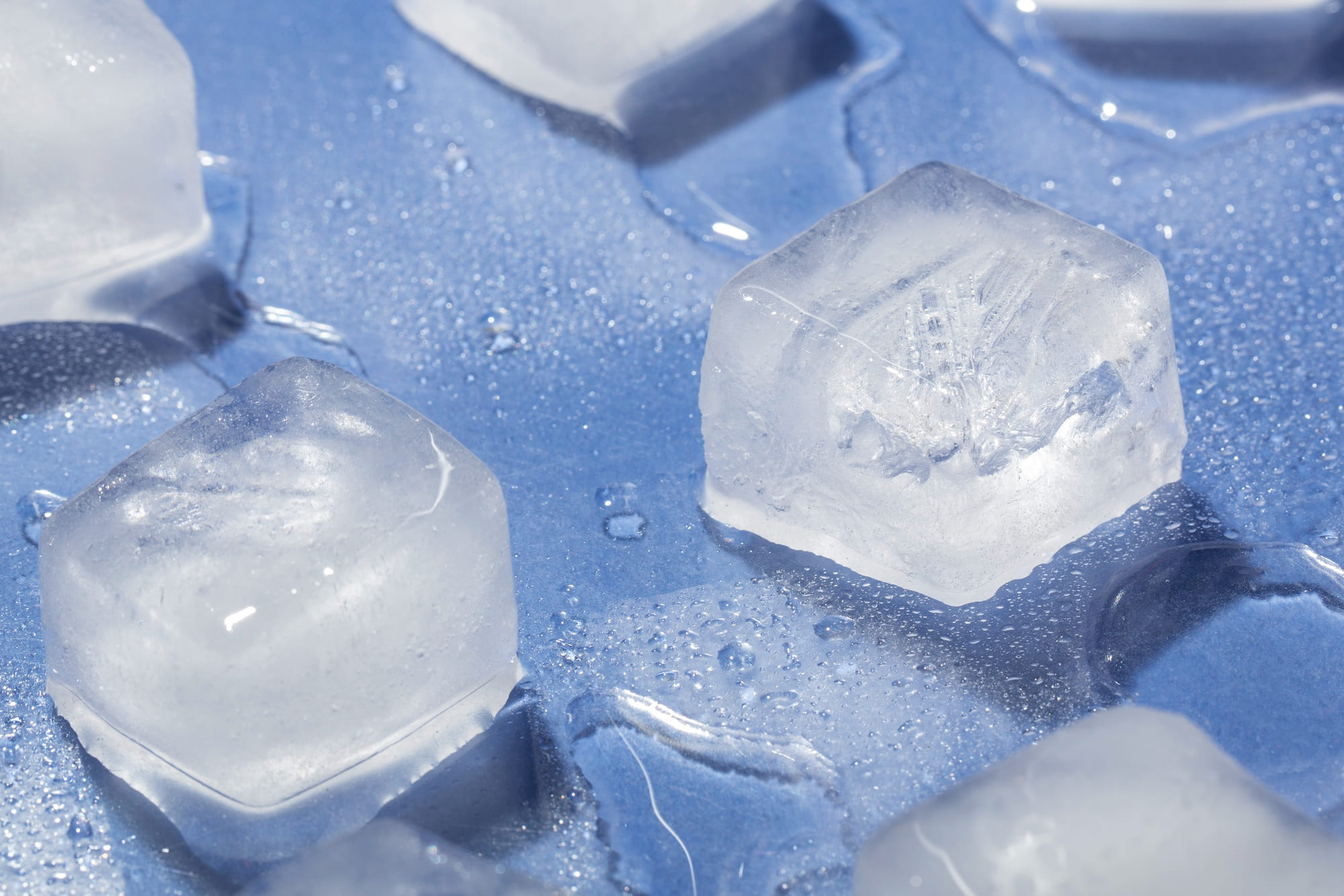
If you are still searching for ways on how to prevent ice cubes from sticking, implementing the right storage materials is crucial for maintaining perfect clarity and shape.
The Brown Paper Bag Method and Foil Dividers
The absolute best trick to prevent fusion is the brown paper grocery bag method. Unlike plastic bags that trap moisture inside, porous parchment or brown paper absorbs excess humidity and surface condensation. Freeze your ice solid, transfer it into a clean paper bag, and fold it shut. The paper will absorb any moisture that forms during temperature shifts, leaving your cubes completely separate. For layered storage, foil dividers work perfectly to isolate individual ice blocks.
Optimal Temperature and Humidity Control
The fundamental rule of ice storage is climate consistency. The optimal temperature must be strictly maintained at -18°C (0°F) or lower. High humidity inside the freezer forces excess moisture to condense on the ice surface, making it uneven and sticky. Utilize a dedicated ice freezer to limit door openings and control internal humidity.
Common Mistakes That Cause Ice to Stick Together
To fully master how to keep ice from sticking together, you must avoid these critical operational errors in your bar:
- Storing Ice in Unventilated Plastic: Plastic bins trap the condensation directly against the ice, guaranteeing a frozen clump.
- Ignoring Temperature Spikes: Constantly opening the freezer door for other supplies drops the internal temperature, initiating the melting-and-refreezing cycle.
- Neglecting Physical Barriers: Failing to use parchment paper, paper bags, or foil separators when stacking large quantities of premium cocktail ice.
Conclusion
If you want to know how to prevent ice cubes from sticking, just learn some important tips: the temperature needs to be not higher than -18°C, the right ice storing with the plastic or foil separators and paper bags can help you to avoid the clumping. Don’t forget that you need to take care of the right level of humidity to get perfect ice for your drinks.
FAQ
What is the best way to store ice to prevent it from sticking?
The best method is to transfer fully frozen ice cubes into a clean brown paper bag and store it at a consistent -18°C (0°F). The paper absorbs any surface moisture before it can refreeze, keeping the ice cubes completely separate.
How should I package ice to prevent it from sticking during delivery?
For delivery, package the ice using foil dividers between layers or place the cubes inside breathable paper sacks within your cooler. This prevents moisture buildup and provides a physical barrier against clumping.
How does the BFTech ice block maker help keep ice separate?
BF Tech ice block makers produce highly dense, directional-frozen ice. Because this ice has significantly lower moisture on its surface compared to fast-frozen machine ice, it is naturally much more resistant to melting and sticking together during storage.



MORE ABOUT THE AUTHOR