How Ice Cools Cocktails: Dilution, Flavor, and Drink Balance
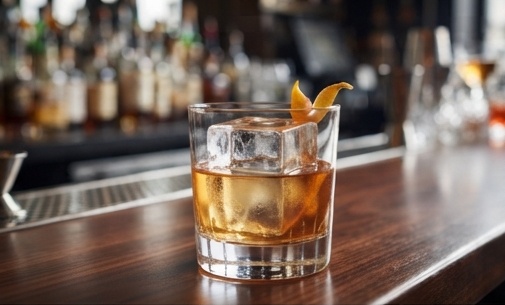
Ice cools a drink by absorbing heat as it melts, and that melting adds water to the glass. Both effects happen at once, so every shaken or stirred cocktail is a balance between chill and dilution. Understanding that balance helps bartenders and home mixologists control how a drink tastes, feels, and looks from the first sip to the last.
How Does Ice Cool a Drink?

Ice cools a drink through heat transfer. When ice touches a warmer liquid, the liquid gives up heat, and the ice uses that energy to change from solid to water without rising in temperature. Each gram of ice absorbs a large amount of heat during melting, which is why even a small amount of ice can bring a warm drink down quickly.
The same process that cools the drink also adds water to it. Meltwater mixes into the liquid and lowers its alcohol content and intensity. That is dilution, and it is a normal, expected part of cocktail making.
How Long Does Ice Take to Cool a Drink?

Shaking a drink for 10 to 15 seconds is usually enough to chill it fully, while stirring typically takes 20 to 30 seconds. Cooling speed depends on the ice’s surface area, the starting temperature of the liquid, and how vigorously it is mixed. Smaller, irregular ice melts faster and cools faster, but it also dilutes faster.
Why Cocktail Chilling and Dilution Happen Together

Chilling and dilution are linked because they depend on the same melting process. A drink cannot be cooled by ice without also taking on some meltwater. Bartenders treat this as a tool: a drink with a little dilution is smoother and more open, while one with too much tastes watery and flat.
The goal is to reach a target temperature with a controlled amount of water. Most spirit-forward drinks, such as stirred cocktails, aim for roughly 20 to 30 percent dilution, while shaken drinks with citrus or cream often need more.
What Controls Cocktail Ice Dilution?

Several factors determine how much water a drink picks up. The table below summarizes the main ones.
| Factor | Effect on cooling and dilution |
|---|---|
| Ice size and shape | Large cubes melt slowly, cooling steadily with less dilution |
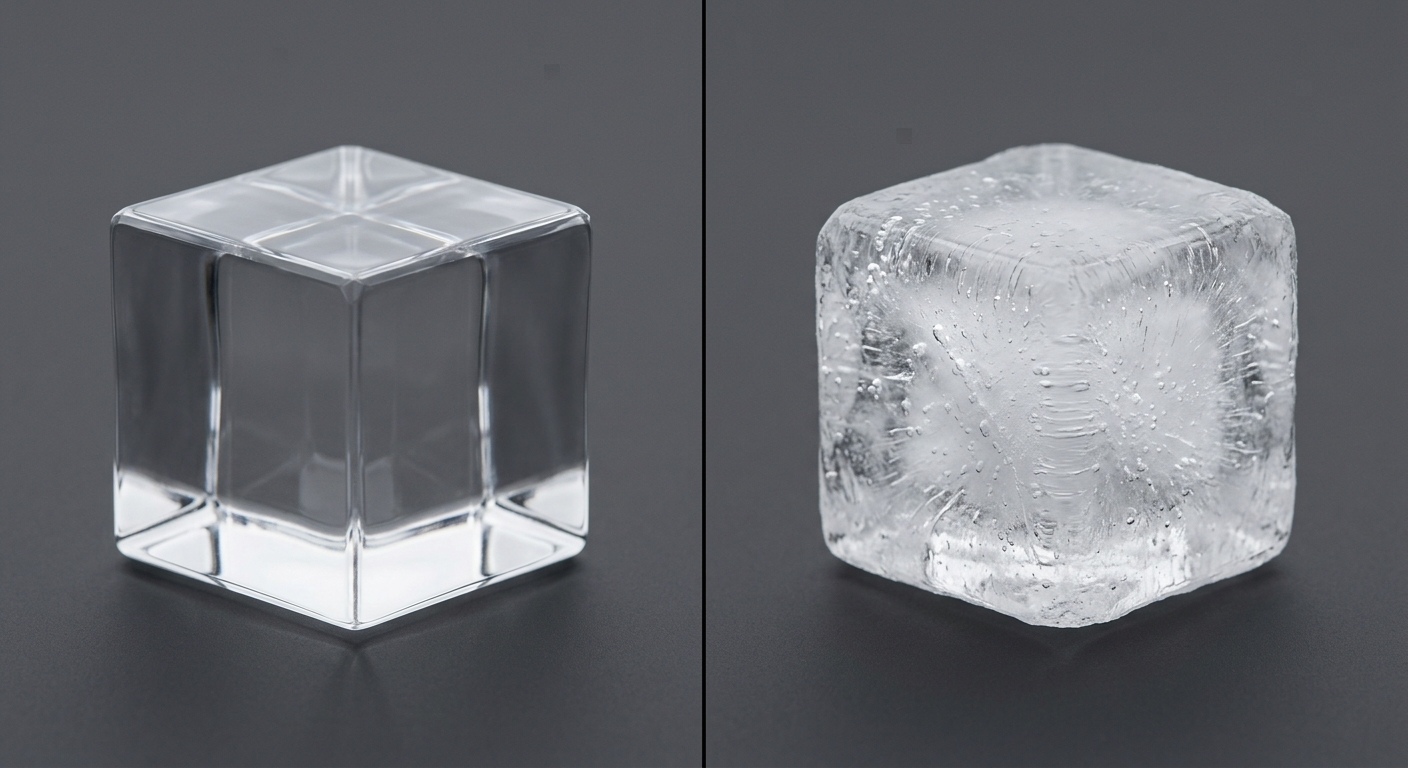
| Ice clarity | Dense clear ice melts more slowly than cloudy ice with trapped air |
| Ice quantity | More ice means faster cooling and greater total dilution |
| Mixing time | Longer stirring or shaking increases both chilling and water intake |
| Starting temperature | Warmer ingredients absorb more melt and dilute faster |
In short, large, dense ice used for a controlled time gives the most predictable results. Clear ice from a commercial machine tends to melt more slowly than small cloudy cubes, which helps drinks stay balanced for longer in the glass.
How Bars Choose Ice and Keep Dilution Consistent

Professional bars choose ice for consistency. They standardize cube size, ice quality, and mixing time so that each drink tastes the same on a busy night. Many also weigh ice or count cubes per drink, because even small changes in ice volume can shift the balance.
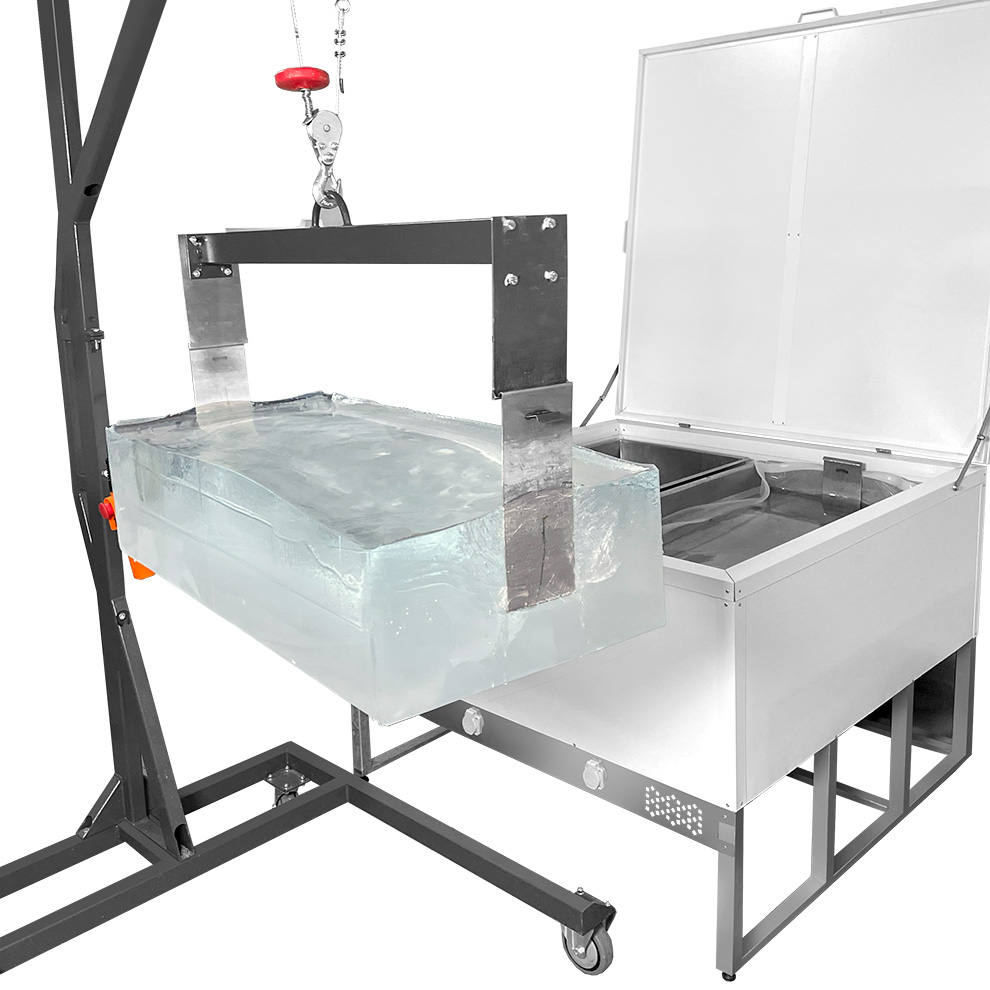
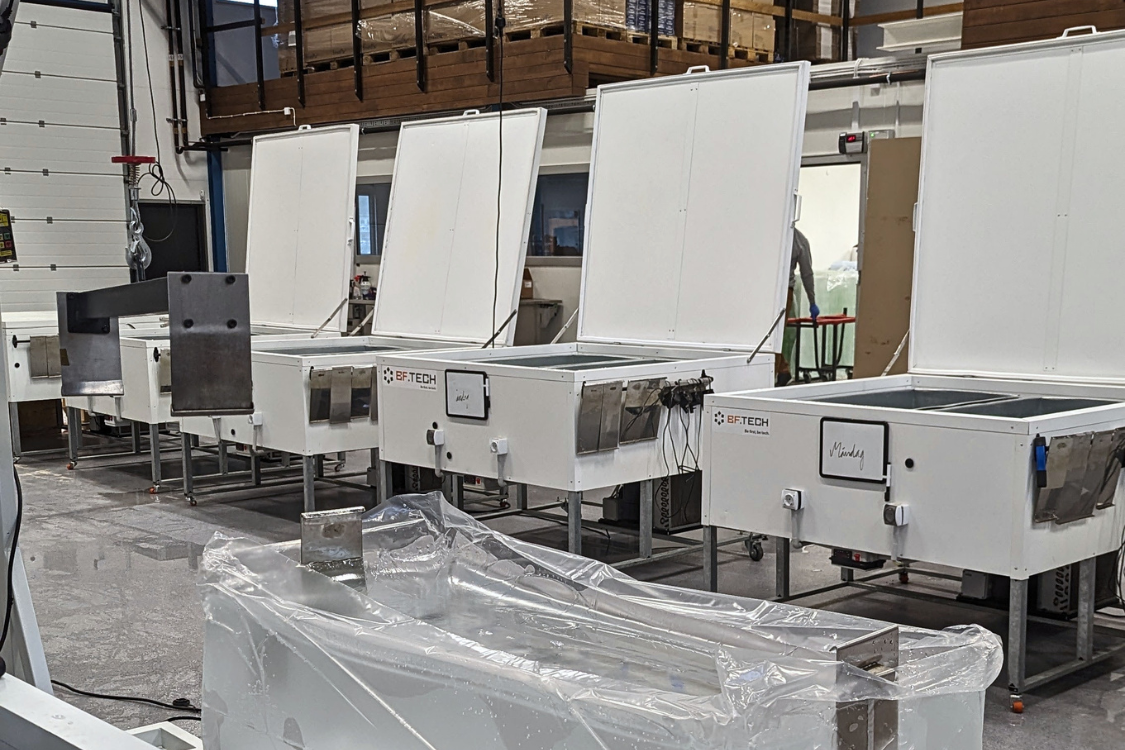
Explore BF Tech commercial ice equipment for producing consistent clear ice for bars, restaurants, and professional ice businesses. Browse our Ice Block Makers category to find equipment that fits your volume and drink program.
FAQ
Does clear ice dilute a cocktail more slowly than cloudy ice?
Yes. Clear ice is denser and has fewer air pockets, so it melts more slowly. This gives more controlled dilution and a steadier temperature.
Does using more ice cause more dilution?
Usually, yes. More ice means more meltwater in the drink, especially if the drink is stirred or shaken for a long time. Adjusting quantity and mixing time together gives the best control.
Why do bartenders use large ice cubes in spirit-forward cocktails?
Large cubes chill the drink with minimal dilution because they have less surface area relative to their volume. This keeps spirit-forward drinks strong and flavorful while still cold.
How can bartenders measure cocktail dilution?
Bartenders weigh the drink before and after mixing, then compare the difference with the ice's melt. Some use refractometers or test batches to check the final balance and adjust mixing time.



MORE ABOUT THE AUTHOR