How Does an Ice Maker Work: From Basic Refrigeration to Commercial Ice Production
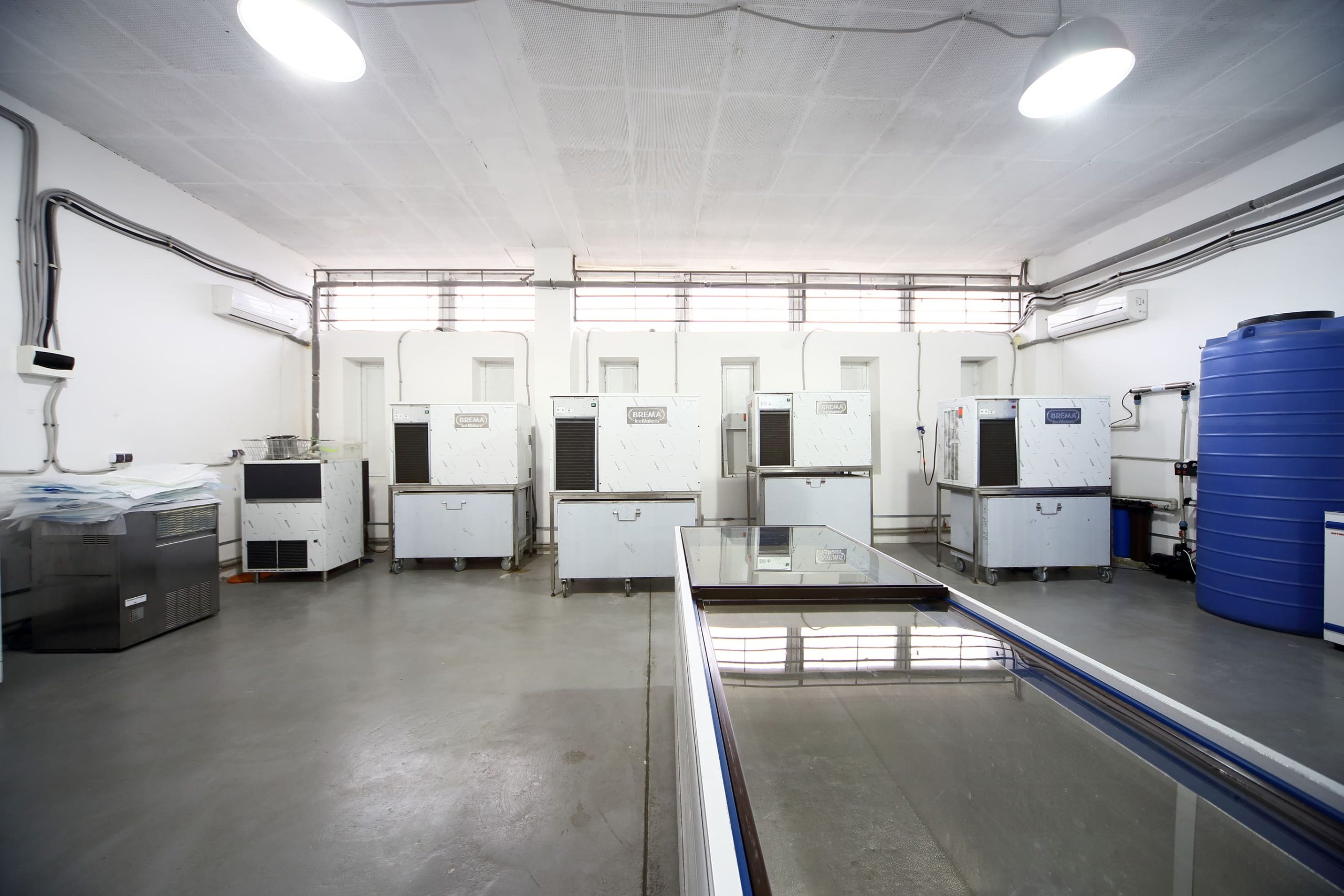
An ice maker is a machine that turns ordinary water into ice automatically, without filling trays by hand. Ice makers range from small countertop units to large commercial and industrial machines that supply bars, restaurants, and hotels around the clock. Understanding how they work helps you choose the right one and appreciate why some ice comes out cloudy while other ice is perfectly clear. In short, how do ice makers work? They rely on a refrigeration cycle that pulls heat out of water until it freezes, then releases the finished ice so the cycle can start again.
The Core of Every Ice Machine: How the Refrigeration Cycle Works
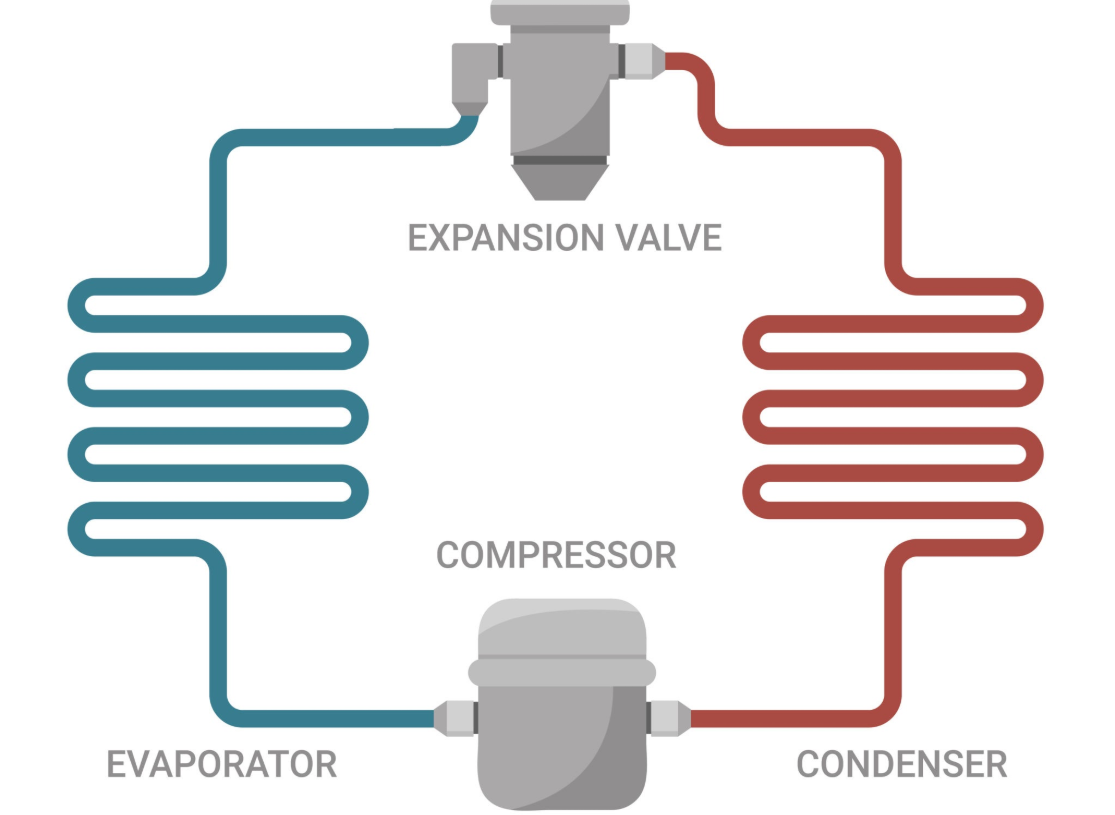
Whether it’s a small unit or a heavy-duty commercial machine, the heart of every ice maker is the same: a closed refrigeration loop built around four key components.
The compressor pressurizes refrigerant gas, raising its temperature and pushing it through the loop. The hot gas then moves into the condenser, releasing heat to the surrounding air (or water) and condensing into a liquid. Next, it passes through the expansion valve, often a thermostatic expansion valve (TXV), which sharply drops its pressure — and with it, its temperature. Finally, the cold refrigerant enters the evaporator, the plate or coils that touch the water or ice mold, absorbing heat from the water while evaporating back into a gas.
That’s the essence of the refrigeration cycle: the refrigerant continuously changes state — liquid to vapor to liquid again — carrying heat away from the water each pass through the evaporator.
Step by Step: How Do Ice Makers Work to Produce Ice?

Most machines go through the same basic stages, known as the freeze cycle and the harvest cycle.
- Water intake. Water enters through a supply line and inlet valve, which regulates flow into the unit.
- Filling the mold or plate. Water fills the ice mold or flows over the evaporator plate, making contact with the cold surface.
- Freezing begins. The evaporator cools, and freezing starts once water drops below 0°C (32°F) — colder incoming water freezes faster.
- Ice detection. Sensors or timers check whether ice has reached full thickness before moving on.
- Harvesting. The machine stops active freezing and briefly warms the evaporator so the ice releases cleanly.
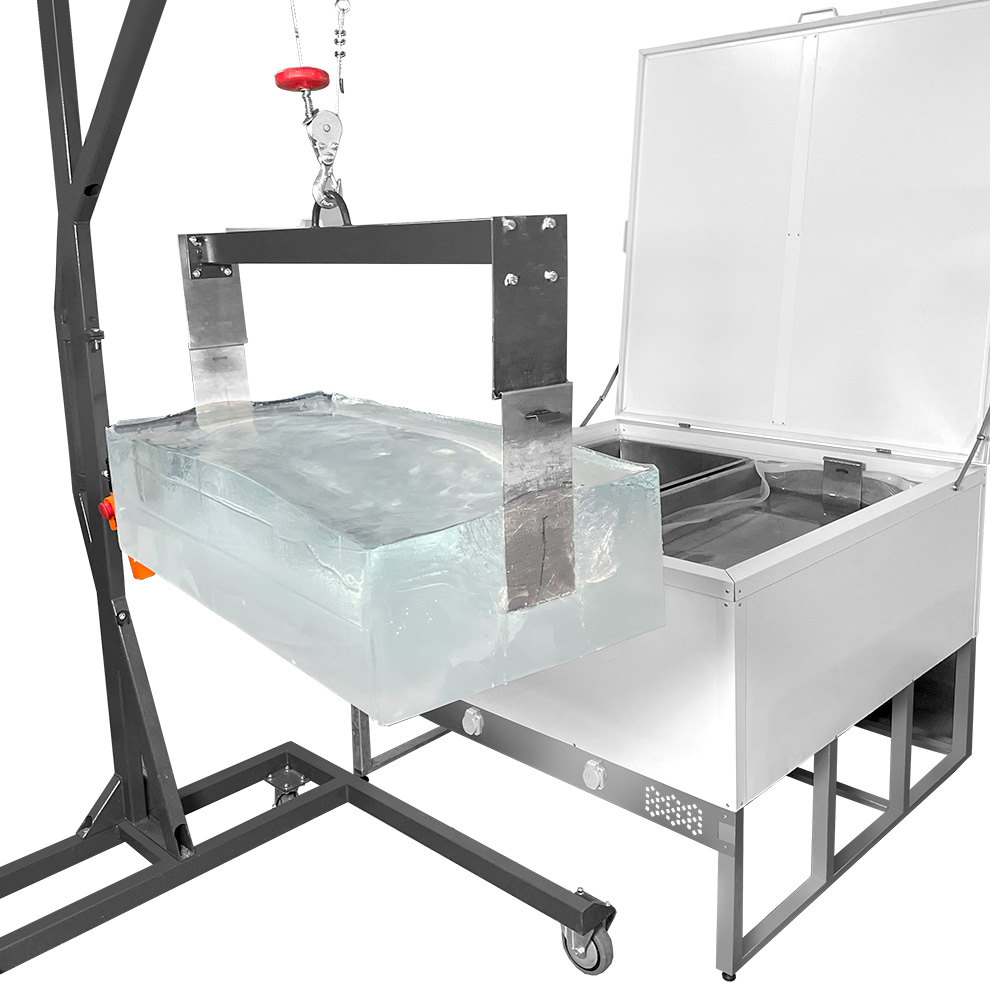
- Removal. Finished ice drops automatically into a storage bin or, for large blocks, is lifted out with a hoist or by hand.
Together, these steps make up the freeze and harvest cycle that repeats continuously while the machine runs.
How Do Commercial Ice Makers Work — and Why They're Different?

So how do commercial ice makers work, and what separates a compact bar-level unit from a large-capacity production machine? The refrigeration principles are the same — the real differences come down to scale and workflow.
- Continuous production. A high-volume machine runs repeated freeze-harvest cycles back to back, while a smaller unit cycles less often.
- Larger evaporator plates. High-capacity machines use a bigger freezing surface, producing more ice per cycle.
- Higher output per cycle. Large-capacity units are rated for daily output that can far exceed a smaller machine’s, suiting busy venues rather than a single bar.
- Water quality and filtration. Clean, filtered water matters at every scale, but its importance grows with volume.
These are differences in scale, not technology — the two machines perform very differently while running on the same core refrigeration cycle.
How Do Ice Makers Work So Fast? The Role of Machine Design

A common question is how do ice makers work so fast, especially where large volumes are needed daily. The answer is machine design: a larger evaporator surface combined with a more powerful compressor extracts more heat from the water at once, while ambient temperature and ventilation around the condenser also affect freezing speed.
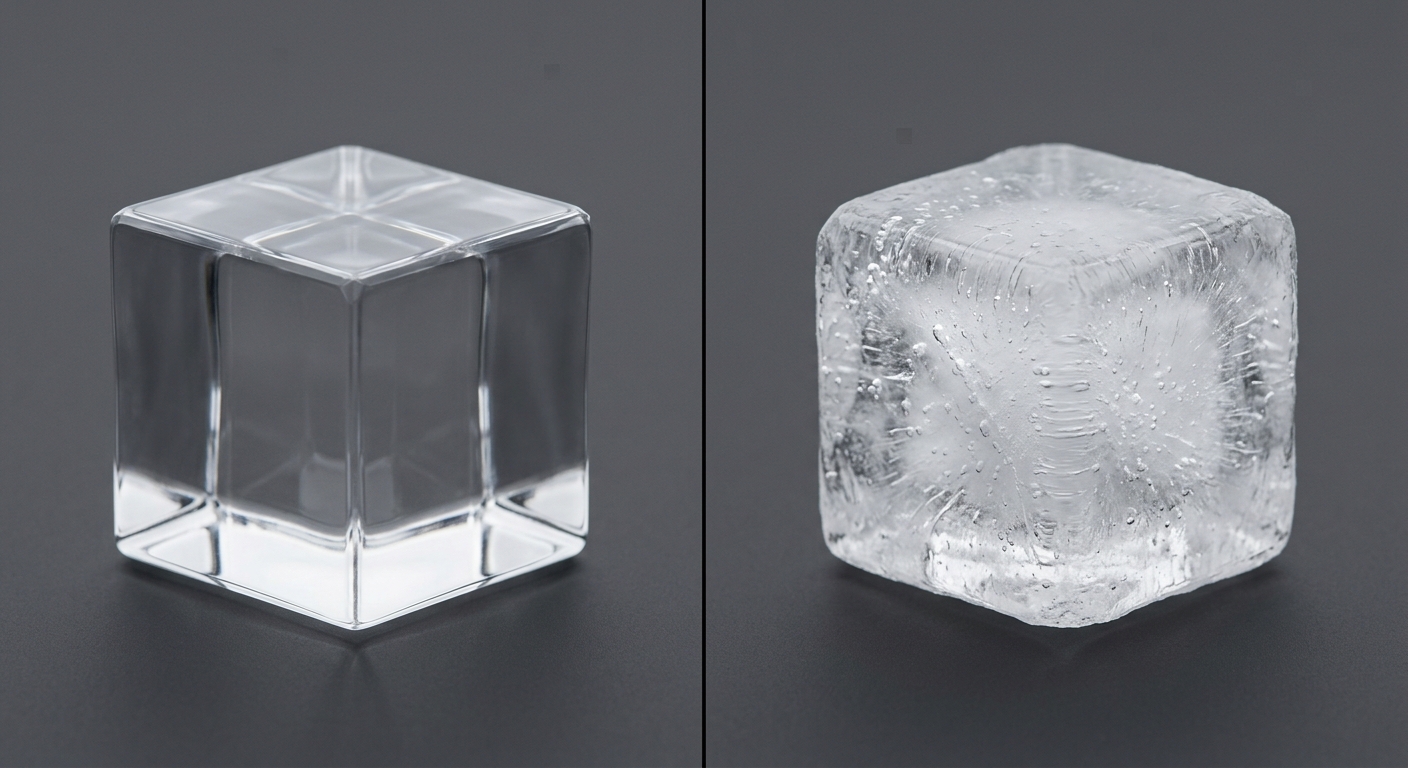
There’s a trade-off, though. Fast freezing pulls heat from all directions at once, trapping air bubbles and minerals inside — which is why standard, quickly frozen ice often looks cloudy. Slower, controlled freezing from one direction only, known as directional freezing, pushes impurities away from the freezing surface instead, producing dense, optically clear ice. That distinction leads to a very different category of machine: the ice block maker.
How Ice Block Makers Work — Industrial Clear Ice Production
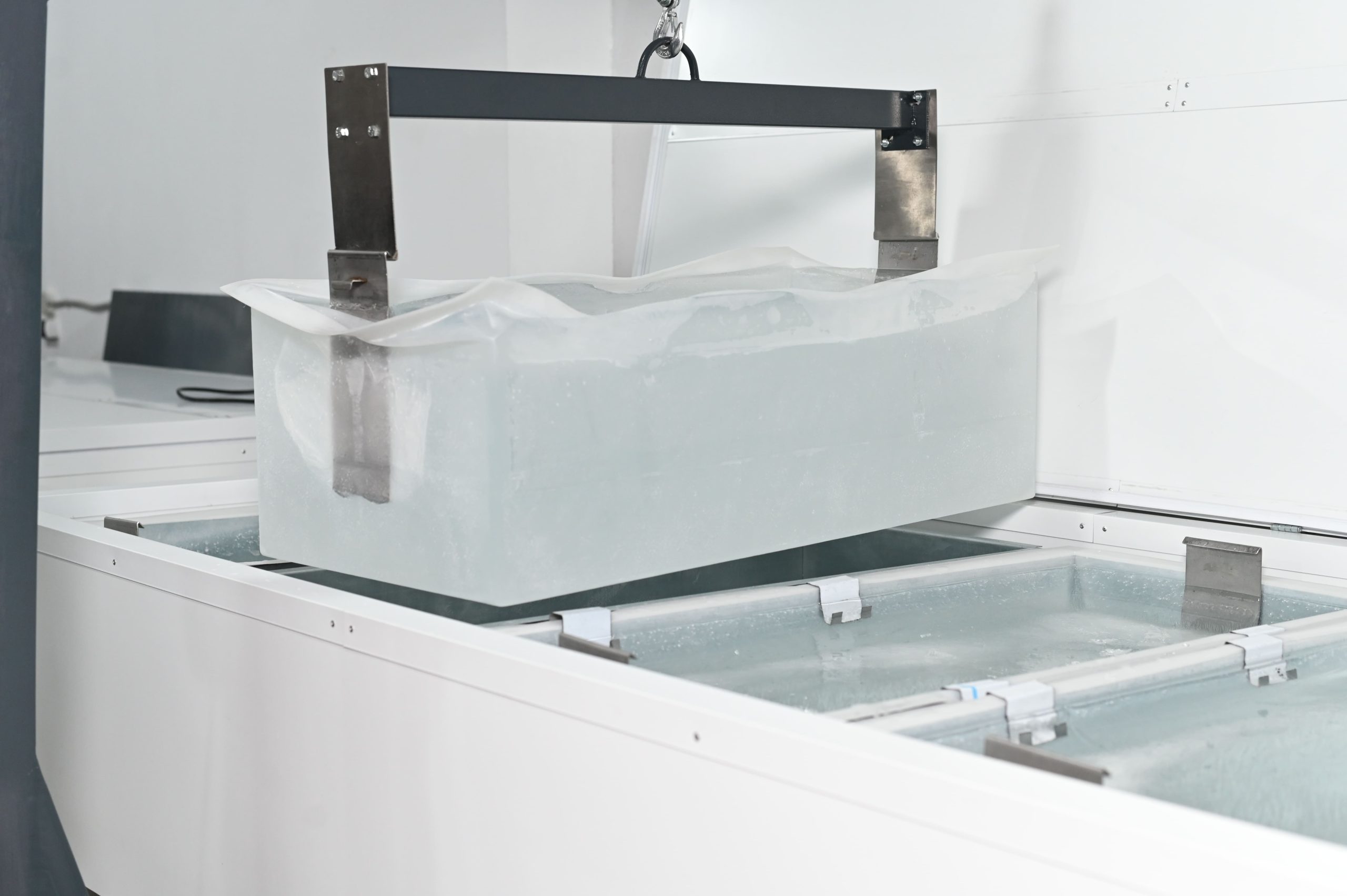
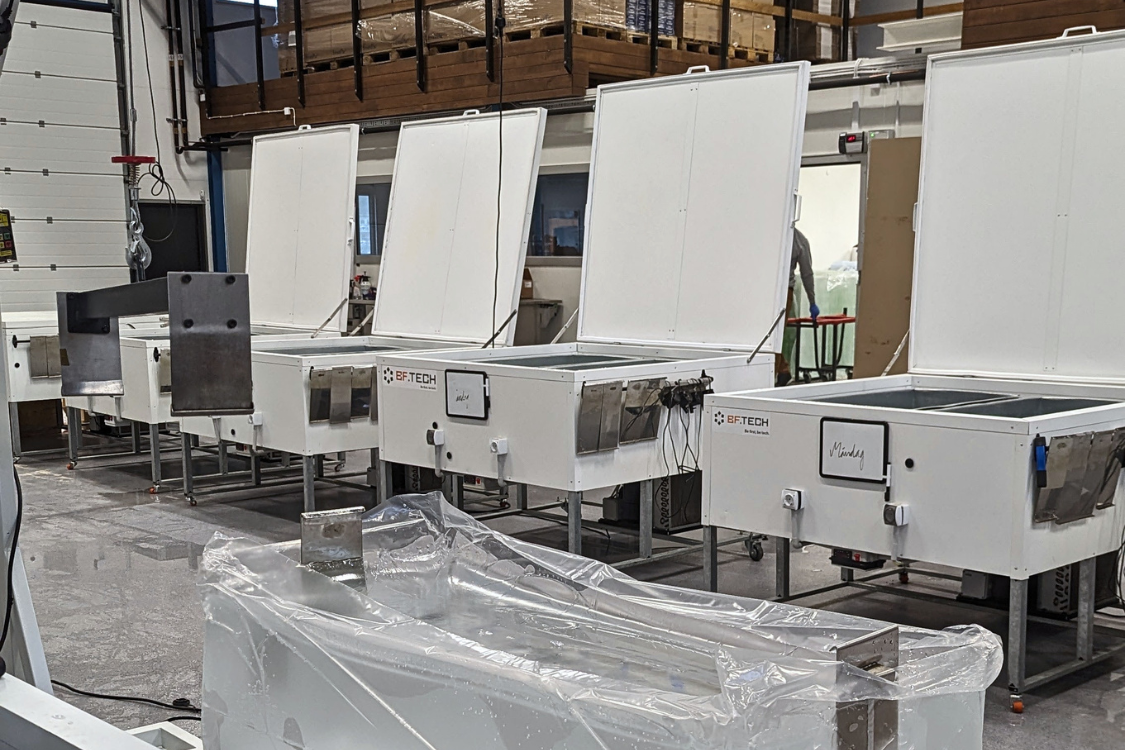
A standard commercial ice maker is connected directly to a water supply and drain, producing loose ice automatically to keep a bin stocked around the clock. Premium clear ice, by contrast, is made through a more deliberate, craft-like process with different equipment entirely.
Ice block makers rely on directional freezing, where water freezes gradually from the bottom of the tank upward. A key part of this is a water circulation pump, which continuously moves water in the tank, keeping dissolved gases and impurities from settling and instead pushing them ahead of the advancing freezing front. The result is an optically clear block of ice, ranging from around 10 kg to nearly 150 kg depending on the equipment.
Once formed, blocks are cut down using a vertical ice band saw into clean, dense cubes or shapes — common in premium bars, HoReCa operations, ice sculpting, and catering, where clarity and slow-melting density matter as much as the ice itself.
For businesses looking to produce this kind of premium ice, BF Tech’s industrial ice block makers are built specifically for directional freezing and high-clarity block production.
How Do Countertop and Portable Ice Makers Work?

Countertop and portable ice makers use the same refrigeration cycle, just scaled down. So how do countertop ice makers work? Water is pumped into a small mold, chilled rapidly, and finished ice — usually bullet- or cylinder-shaped — drops into a small bin within minutes.
As for how do portable ice makers work, the process is nearly identical, with the main difference being a self-contained water tank instead of a plumbing connection, making them easy to move anywhere. These units prioritize speed and convenience over clarity, so their ice tends to be cloudier and melts faster than commercial or block ice.
FAQ
How does an ice maker know when to stop making ice?
Sensors or thickness probes detect when ice reaches target size or the bin is full, ending the freeze cycle automatically.
How do ice machines work differently from a home freezer?
A freezer maintains a cold, static environment, while an ice machine actively cycles refrigerant through freeze and harvest stages to continuously produce ice.
How do commercial ice makers work compared to portable models?
Commercial machines run continuous, high-volume cycles with larger evaporators and plumbed water lines, while portable models make smaller batches from a self-contained tank.
How do ice makers work so fast in commercial settings?
Larger evaporator surfaces, stronger compressors, and good ventilation let commercial machines extract heat much more quickly than smaller units.
What makes an ice block maker different from a regular commercial ice machine?
It uses slow, directional freezing to produce large, optically clear blocks, while a standard machine produces smaller, quickly frozen ice for everyday use.



MORE ABOUT THE AUTHOR