Does Ice Go Bad? How Long Ice Lasts and When to Replace It
Ice made from clean water and kept at 0°F (-18°C) or below does not go bad simply from sitting in the freezer for a long time. However, its quality can fade over weeks or months, and ice made or handled improperly can carry germs. Here’s how to tell the difference and when it’s time to toss it out.
Does Ice Go Bad in the Freezer? Safety vs. Quality

Ice does not go bad in the freezer in the way perishable food does, but that doesn’t mean every ice cube in your freezer is worth keeping forever. It helps to separate two different questions: is the ice safe, and is it still good quality?
From a safety standpoint, clean ice stored consistently at 0°F (-18°C) or lower has no official expiration date, since freezing halts the growth of most microorganisms. From a quality standpoint, though, ice left in the freezer for an extended period can absorb odors from nearby food, lose its shape through sublimation, clump together, or develop a stale or “off” taste.
A bad smell doesn’t necessarily mean the ice contains harmful bacteria — sublimation and odor absorption are physical changes, not contamination. Still, if ice smells or tastes off, that alone is a good enough reason to throw it out and make a fresh batch.
Does Ice Carry Germs?

Yes, ice can carry germs if the water, equipment, or handling process involved was contaminated at any point. Ice itself doesn’t generate bacteria, but it can pick up contamination the same way any food product can.
Common sources of contamination include:
- non-potable or contaminated water used to make the ice
- dirty hands, glasses, scoops, or tongs
- unwashed trays, bins, or storage containers
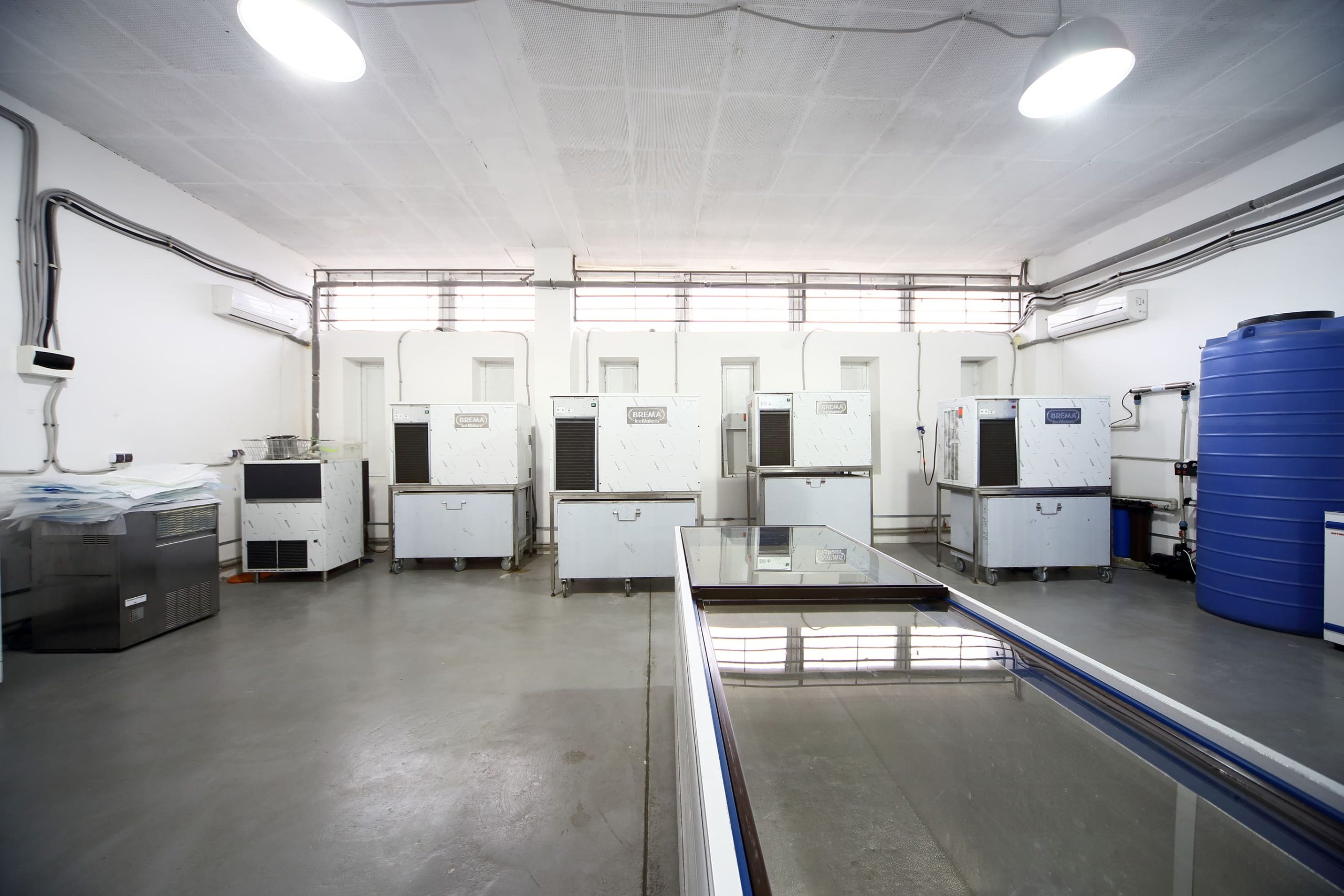
- poorly maintained or rarely cleaned ice machines
- contact with raw food or dirty freezer surfaces
Cold temperatures slow down or limit the activity of many microorganisms, but freezing is not a reliable method of sterilization. Some bacteria and viruses can survive freezing temperatures and become active again once the ice melts. That’s why the source of the water and the cleanliness of everything the ice touches matter more than how long it’s been frozen.
Signs You Should Replace Old Ice

Even though ice can technically stay in the freezer indefinitely, certain signs mean it’s time to replace it:
- an unusual smell or taste
- visible particles, dirt, or discoloration
- contact with raw food or dirty utensils
- a damaged or torn storage bag
- partial melting in an open or dirty container
- a dirty ice tray, bin, or ice machine
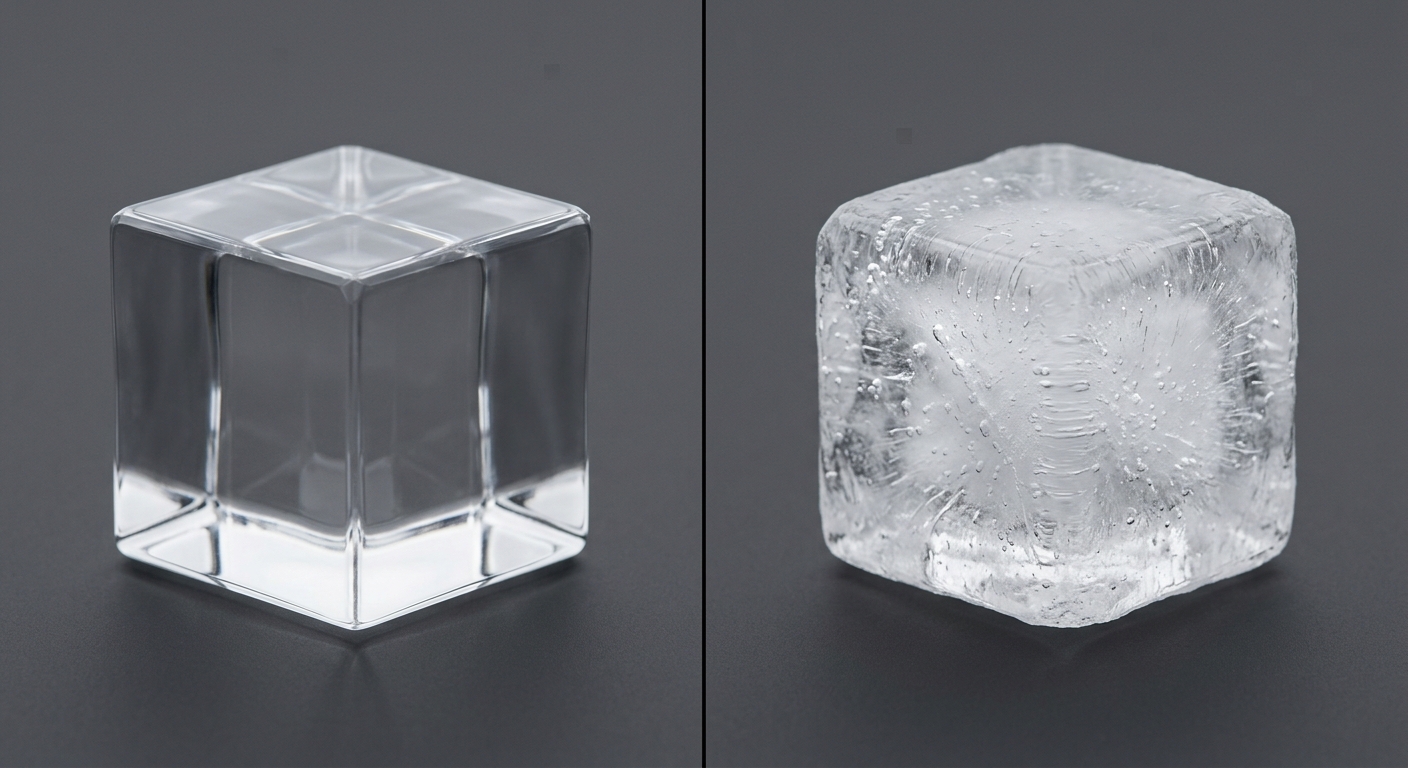
A few points are worth clarifying. Cloudy ice on its own doesn’t mean it has gone bad — cloudiness usually comes from trapped air or minerals in the water, not contamination. Clumping or shrinking ice cubes more often point to temperature fluctuations or quality loss over time rather than a safety issue. And clear, transparent ice isn’t automatically safer, since clarity says nothing about whether bacteria are present.
How to Keep Ice Fresh and Safe
Keeping ice safe comes down to controlling what it comes into contact with, from the water you start with to the container it ends up in.
- Use potable (drinking-quality) water to make ice.
- Handle ice with a clean scoop or tongs rather than hands or glasses.
- Clean ice trays, bins, and ice makers on a regular schedule.
- Avoid using ice that has touched raw food or a dirty surface.
For practical tips on preventing odors, clumping, and quality loss, read our guide on how to store ice cubes.
FAQ
Can ice cubes go bad in a sealed bag?
Ice in a properly sealed bag stays safe indefinitely if it was made with clean water, though it may slowly lose quality — developing freezer burn, clumping, or a faint stale taste over several months.
Is cloudy ice a sign that it has gone bad?
No. Cloudy ice is typically caused by trapped air bubbles or dissolved minerals in the water, not spoilage or contamination. Clear and cloudy ice are equally safe if made from clean water.
Can you use ice after it melts and refreezes?
Ice that has simply melted and refrozen in a clean, closed container is generally still safe, but repeated melting and refreezing can degrade texture and allow it to pick up freezer odors. Discard it if it was left out at unsafe temperatures or exposed to contamination while melted.
How often should an ice bin or tray be cleaned?
Home ice trays and bins should be washed with soap and water every one to two weeks, and commercial ice machines should follow manufacturer guidelines — typically cleaned and sanitized at least twice a year, per FDA and USDA food-safety recommendations.



MORE ABOUT THE AUTHOR