Ice Production Business Cost: Startup and Operating Budget Breakdown
Launching a commercial ice production business is a highly scalable venture with a proven track record of strong profit margins. Whether you are supplying crystal-clear craft ice to high-end cocktail bars, providing bulk block ice for regional distributors, or serving local hospitality venues, demand for quality ice remains steady year-round. However, getting your operation off the ground requires a structured initial capital investment that spans heavy equipment, facility preparation, utility setup, and regulatory compliance.
Understanding how much it costs to establish and maintain an ice production business is the essential first step toward building a sustainable brand. This breakdown uses real equipment pricing and real consumption figures — not generic estimates — so you can map out every financial detail before making your first investment.
What Goes Into the Ice Machine Business Cost?
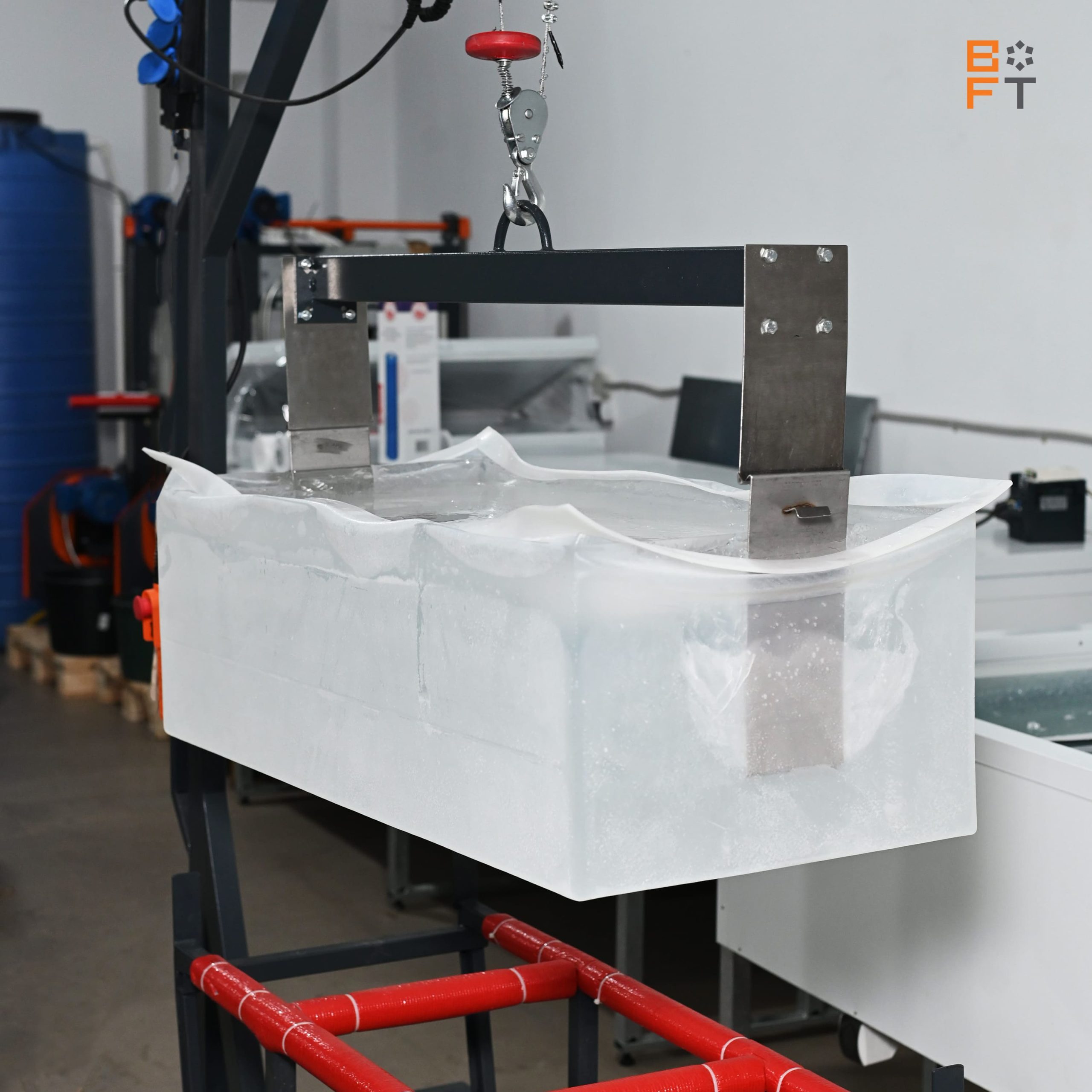
When evaluating your overall ice machine business cost, it is vital to look beyond the price tag of the primary ice maker. Building a functional ice production facility requires an integrated system of specialized machinery, utility infrastructure, hygiene protocols, and distribution logistics.
To build an accurate budget, separate your expenses into two core categories:
- Capital Expenditures (CapEx): One-time setup costs required to launch operations, including machinery, facility preparation, electrical upgrades, and licensing fees.
- Operational Expenditures (OpEx): Recurring monthly expenses required to process, package, and distribute your product — electricity, water, labor, packaging, and maintenance.
The Primary Cost: Ice Production Equipment


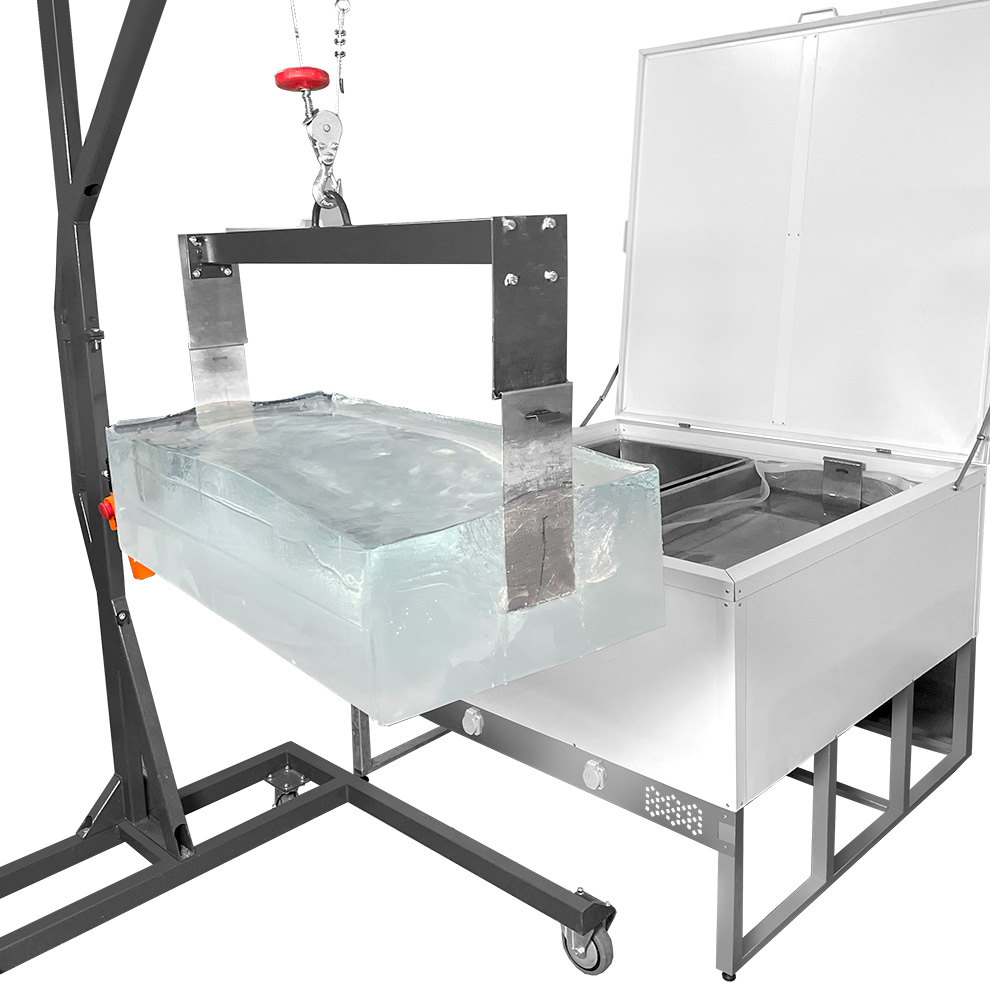
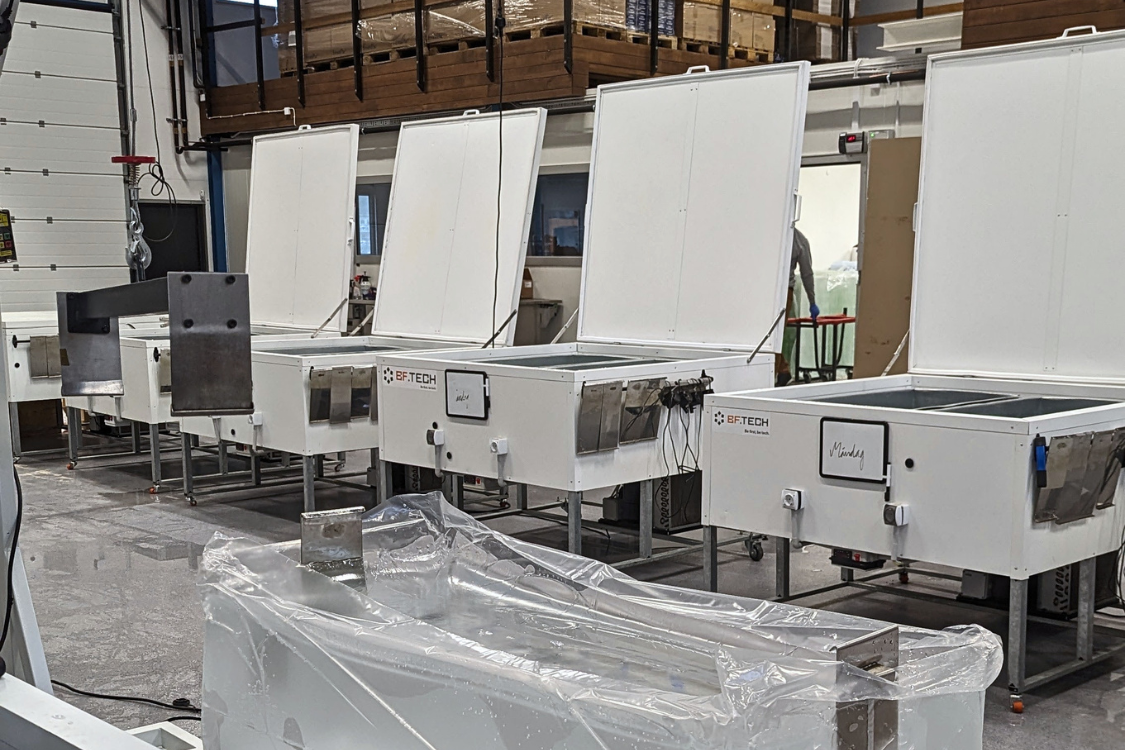
Equipment is your single largest capital expenditure and directly dictates your product quality, daily output capacity, and operational efficiency. Below are real BF TECH catalog prices — treat these as approximate, since final pricing depends on where you purchase from (factory-direct vs. a regional distributor, which affects shipping and customs but also the base price itself).
Ice Block Maker
- P30 (entry-level, 3 blocks every 12-72h): from approximately €3,900
- P150 (standard or 6-tank version, 2-6 blocks per cycle): approximately €6,200-6,700
- P300 (4 blocks every 4 days): approximately €9,300-10,500
Selecting the right capacity is critical: under-sizing limits your revenue ceiling, while over-sizing inflates utility bills unnecessarily.
Ice Band Saw
- Table-model band saw (for standard cocktail cubes): approximately €2,500
- Horizontal block cutter (for slicing full blocks into plates), steel or stainless: approximately €4,700-7,900
- Sliding-table vertical saw (for larger cutting capacity): approximately €7,900-7,990
Most operations use a horizontal saw to slice blocks into plates, then a vertical/table saw to reduce those plates into exact, retail-ready cubes.
Ice Press
For premium craft ice operations supplying luxury venues, an ice press transforms clear ice into spheres, diamonds, or custom shapes. Pricing ranges from approximately €190 (single ball/sphere press) to €950 (4-in-1 diamond or rose presses), depending on shape and format. Optional, but a real margin driver in the high-end cocktail market.
Auxiliary Equipment
- Commercial storage (cold room / walk-in freezer): Purchased locally, not from your ice equipment supplier — pricing depends heavily on size and condition. A small used chamber can run $2,000-5,000; new or larger custom-built cold storage can run into the tens of thousands or more. Get quotes from local refrigeration contractors based on your actual room and volume.
- Packaging systems: Primarily the cost of film as a consumable, plus optional sealing equipment — budget $100-300 for a basic setup.
- Water treatment (reverse osmosis): Essential for clarity. A standard RO system runs $300-1,000 depending on capacity; large-volume industrial units can cost significantly more.
Facility and Infrastructure Costs
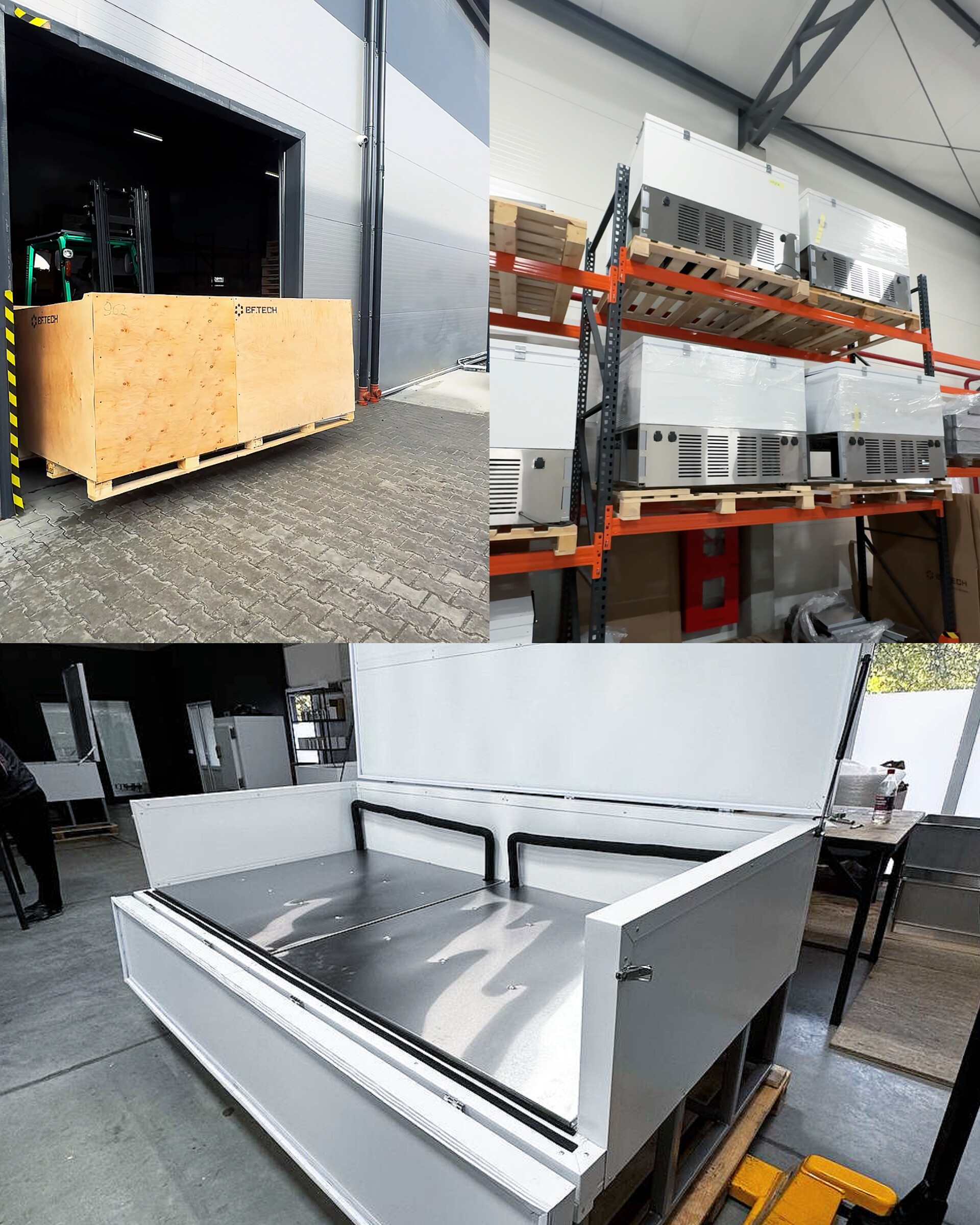
This is one of the few areas where no equipment supplier — including us — can give you a meaningful number, because every space is different. If your location was a restaurant kitchen yesterday, with existing drainage, power, and washable flooring, your facility prep cost could be close to zero. If the space needs a new electrical service, drainage, and flooring from scratch, you could be looking at tens of thousands of dollars before a single machine is installed. Get a local contractor to assess your specific space early — this is not something to estimate from a generic guide.
Typical items to have assessed locally:
- Sealed, drainage-ready flooring for production, freezing, and packaging zones
- Commercial water supply and washdown-capable plumbing
- 3-phase electrical capacity for industrial block makers and saws
- Ventilation and climate control to protect compressor efficiency
Permits, Licensing, and Compliance Costs

How much this costs you depends entirely on your sales channel. If you’re supplying restaurants and bars directly (the standard B2B HoReCa model most producers start with), the administrative burden is usually light — standard business registration and local food-handling permits. If you plan to sell packaged ice at retail, however, you’ll need to meet the full food safety standard for your market (equivalent to CE/ISO-level food production compliance), which involves considerably more inspection, testing, and paperwork. Decide your sales channel early, since it materially changes this line item.
Always verify current local and national requirements directly with your health authority — these vary too much by country to generalize.
Operational Costs to Factor Into Your Budget

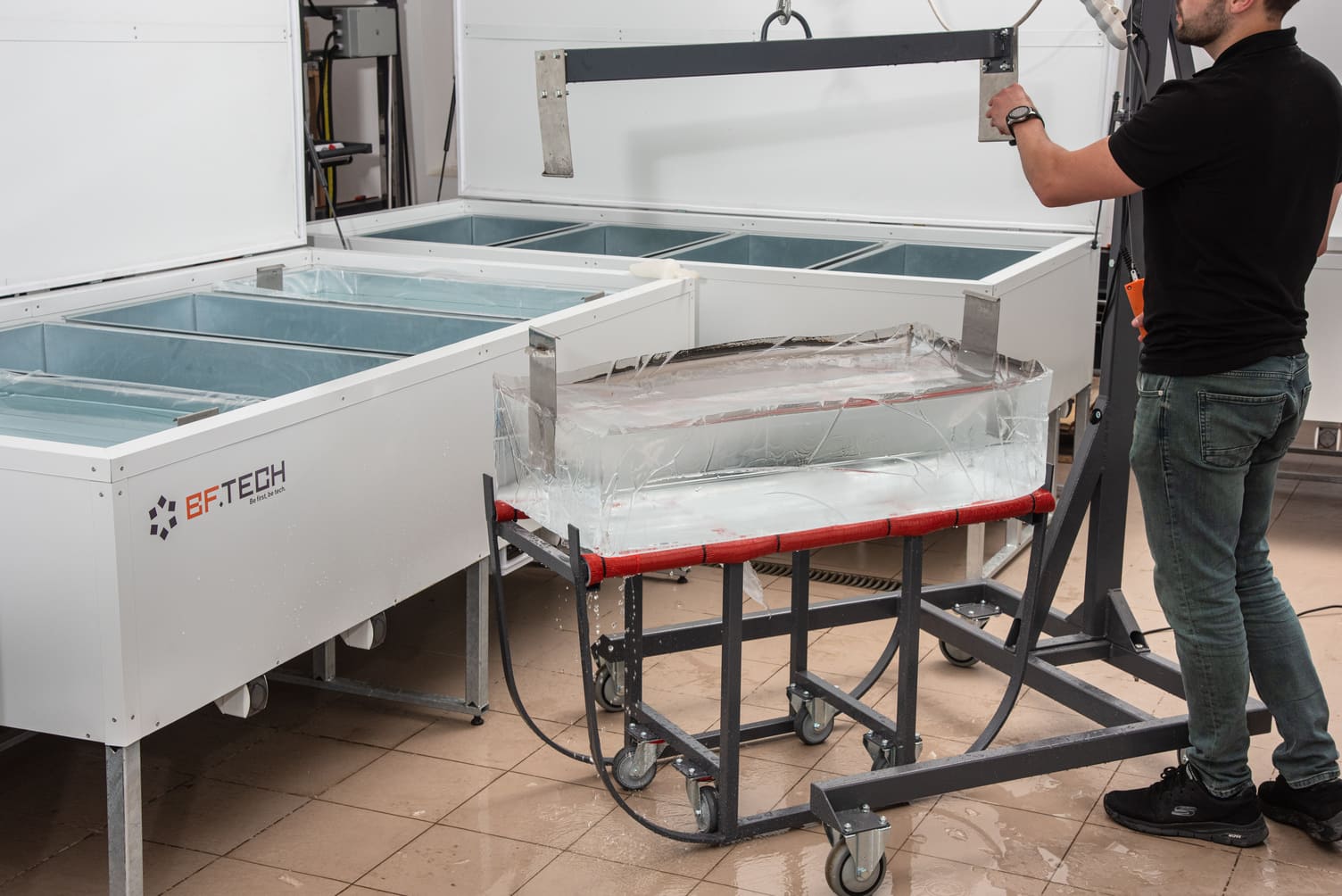
Once your machinery is running, day-to-day costs determine your net margin. Two of the biggest — electricity and water — can be calculated precisely from real machine consumption figures; you just need to apply your local utility rates.
Real consumption per machine, per 24-hour cycle:
| Machine | Electrical draw | Water per cycle |
| P30 | ~25-30 kWh / 24h | 30L per tank |
| P150 | ~25-30 kWh / 24h | 150L per tank (standard) or 30L x 6 tanks (6-tank version) |
| P300 | ~30-35 kWh / 24h | 150L per tank x 4 tanks |
Multiply these figures by your local electricity and water tariffs to get your real cost per cycle — we can tell you what the machine consumes, but only you know what your utility actually charges.
The same logic applies to labor: take your local hourly wage rate and multiply by the number of staff your specific cutting, packaging, and delivery workflow requires. There’s no universal headcount that applies everywhere — a facility in a high-labor-cost market with more automation will staff very differently from one in a lower-cost market doing more by hand.
Other recurring costs to budget for: packaging materials (bags, ties, shrink wrap), delivery/logistics (fuel, vehicle costs), and scheduled maintenance (compressor servicing, blade sharpening, sanitization).
Ice Production Business Cost: What's a Realistic Budget?

Real budget tiers, based on actual equipment configurations:
- Boutique start – Up to 50 sq meters / 540 sq feet (1× P30, 1 saw, 1 small freezer): total investment up to approximately $10,000. The lowest-risk way to enter the market and prove your local demand.
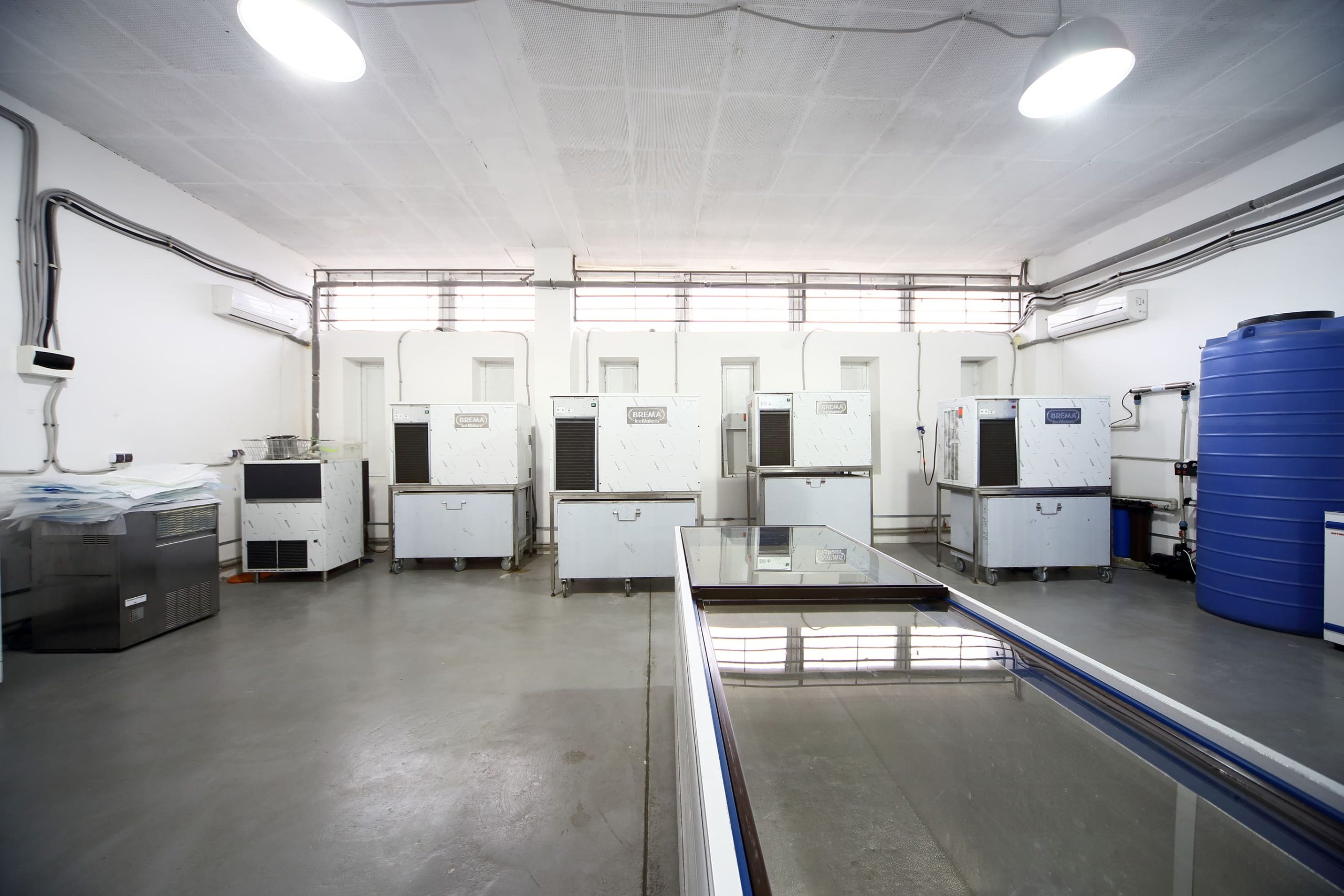
- Mid-scale – Up to 200 sq meters / 2200 sq feet (2× P150, 1× C70, a larger saw, freezer): total investment up to approximately $30,000. This requires more space, but delivers roughly 4x the ice output and sales potential of the boutique tier.
- Large factory – Up to 1000 sq meters / 10 000 sq feet (20-30 block makers with full supporting infrastructure): investment starting from approximately $200,000 and up, depending heavily on your country’s labor, facility, and utility costs.
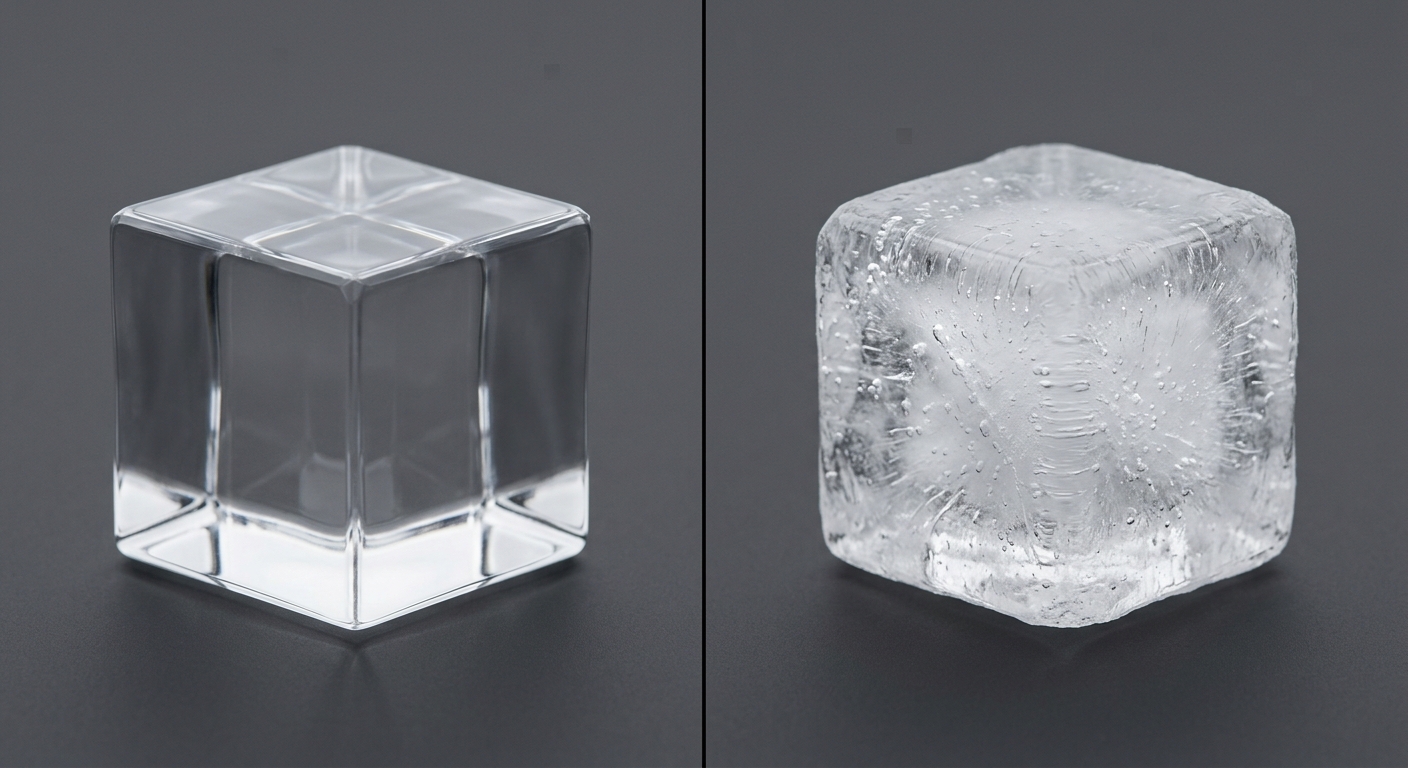
Operating in high-value niches — clear craft ice blocks and custom cocktail shapes — allows producers to command premium price points well above standard commodity bag ice, which is what makes the ROI on this equipment consistently strong: many producers who build a solid local client base of bars, restaurants, and event planners see a full return on investment within 6 to 12 months.
If you’re still weighing whether this business model fits your market, our full guide on starting an ice business from scratch walks through demand research and common pitfalls before you commit to a tier.
FAQ
How much does it cost to start a premium ice business?
A boutique setup with one entry-level block maker, a cutting saw, and basic freezer storage can be launched for up to approximately $10,000. Larger, multi-machine operations scale up from there depending on target output.
What's the fastest, lowest-risk way to start?
Begin with a single small block maker and one cutting saw, supplying a handful of local bars and restaurants directly. This lets you prove demand and build a client base before investing in additional capacity.
Do I need a large facility to begin?
No. Many producers start in a repurposed kitchen or storage space that already has power and drainage — facility cost can be close to zero if the space is already suitable, or significant if it needs to be built out from scratch.
What ongoing costs should I plan for?
Electricity and water consumption are fixed per machine and predictable; apply your local utility rates to get an exact figure. Labor, packaging, and delivery costs scale with your local wage rates and how automated your process is.
Do I need special permits or certifications?
If you're supplying bars and restaurants directly, requirements are typically light — standard business registration and food-handling permits. Selling packaged ice at retail requires meeting full food safety standards for your market.
How profitable is a premium ice business, and what's the ROI?
Because clear craft ice commands a premium price over standard bag ice, producers with a solid local client base of bars, restaurants, and event planners often see a full return on investment within 6 to 12 months.



MORE ABOUT THE AUTHOR