Do Ice Makers Use a Lot of Electricity? Understanding the Facts
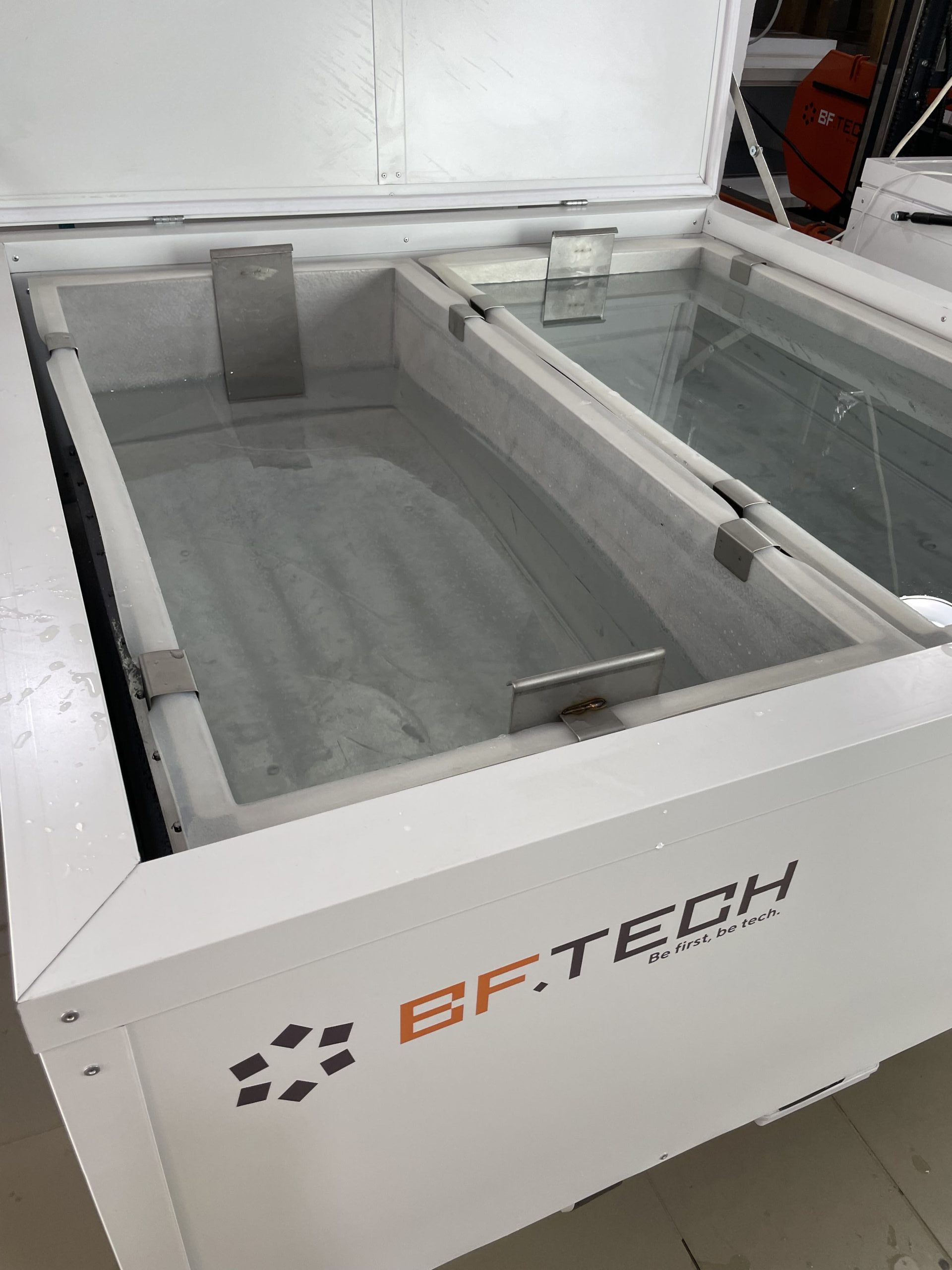
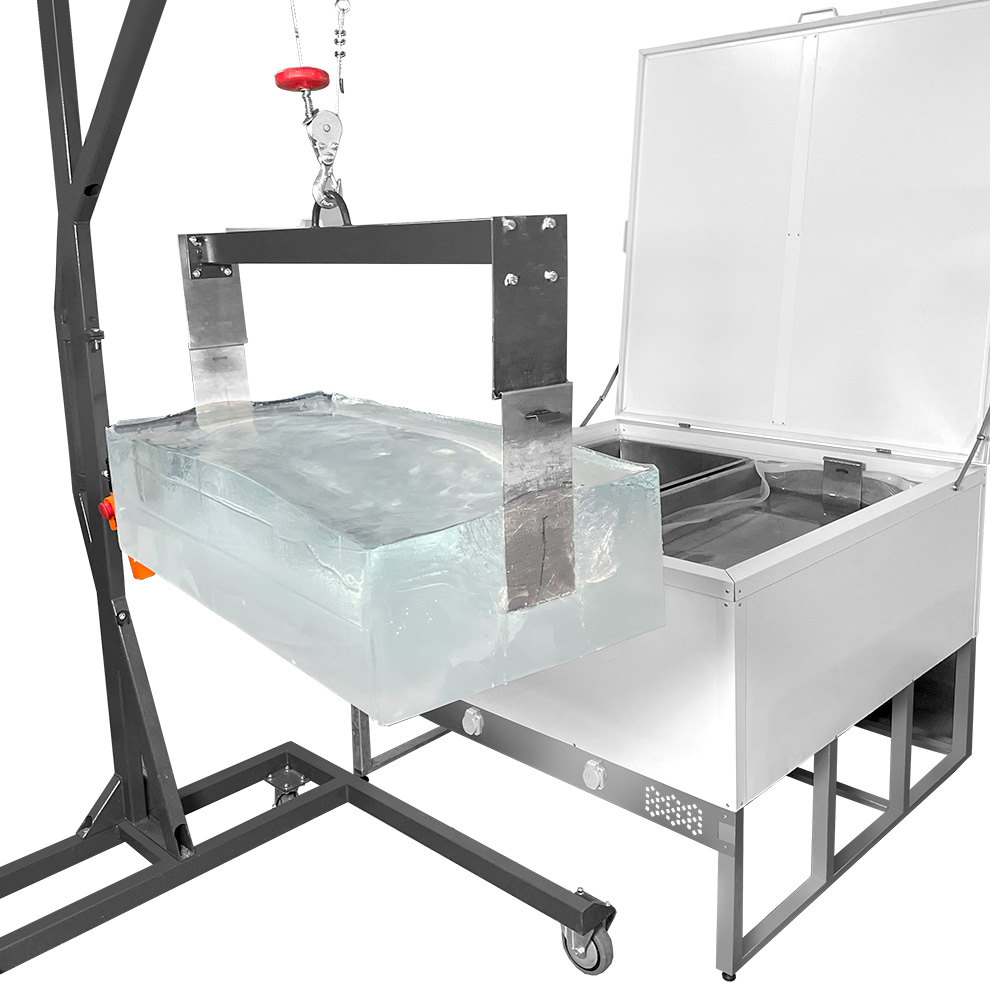
The energy consumption of an ice maker depends on the model and ice production volume. Small household appliances consume approximately 100–200 W/h, while industrial machines can consume from 1 to 5 kW/h during an active cycle. Ice maker machine power consumption also depends on the intensity of use, i.e., the operating mode, cycle, and production volume. But in general, these are energy-intensive devices, so to save money, you need to choose energy-efficient models and operate them correctly.
How Ice Makers Consume Electricity: A Simple Breakdown
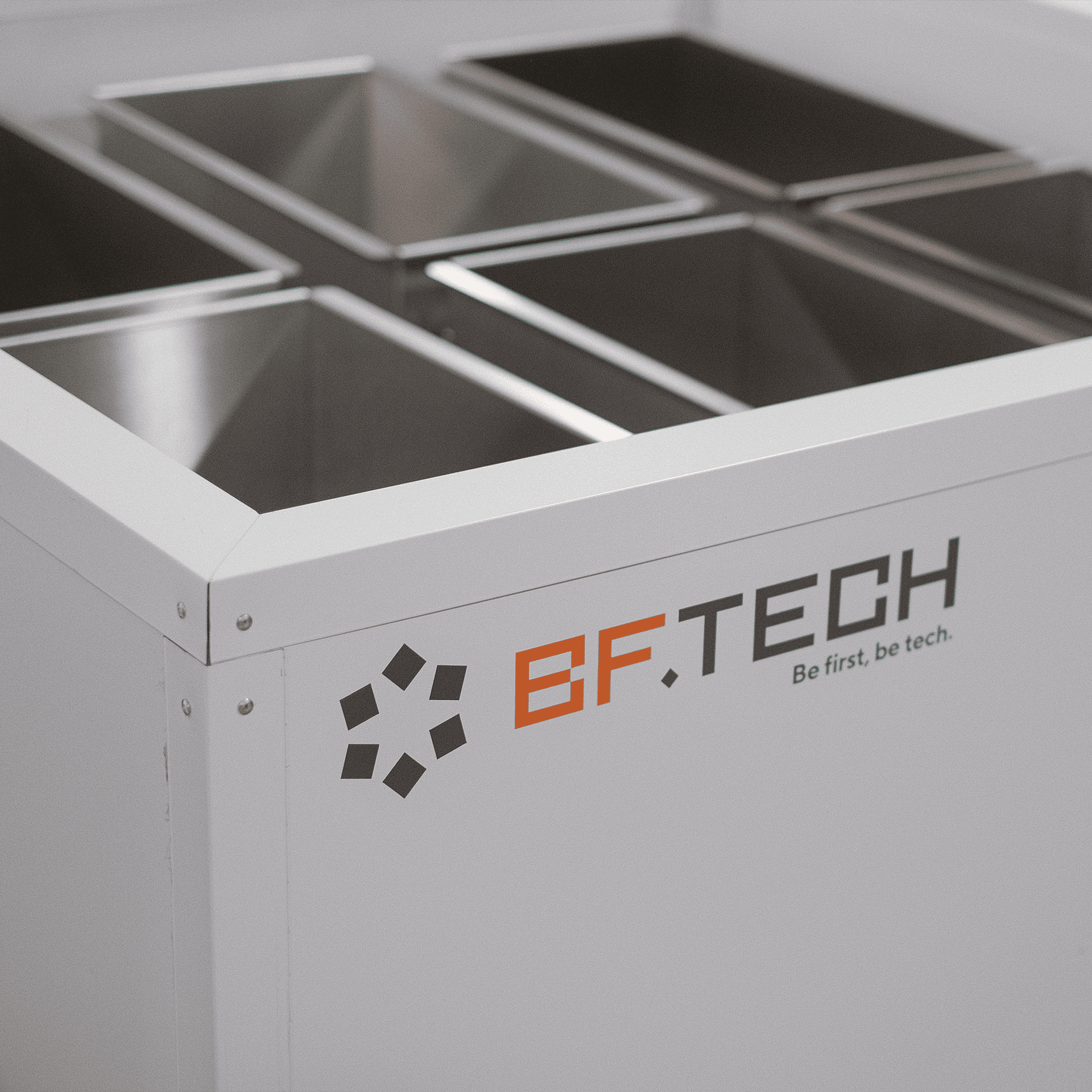
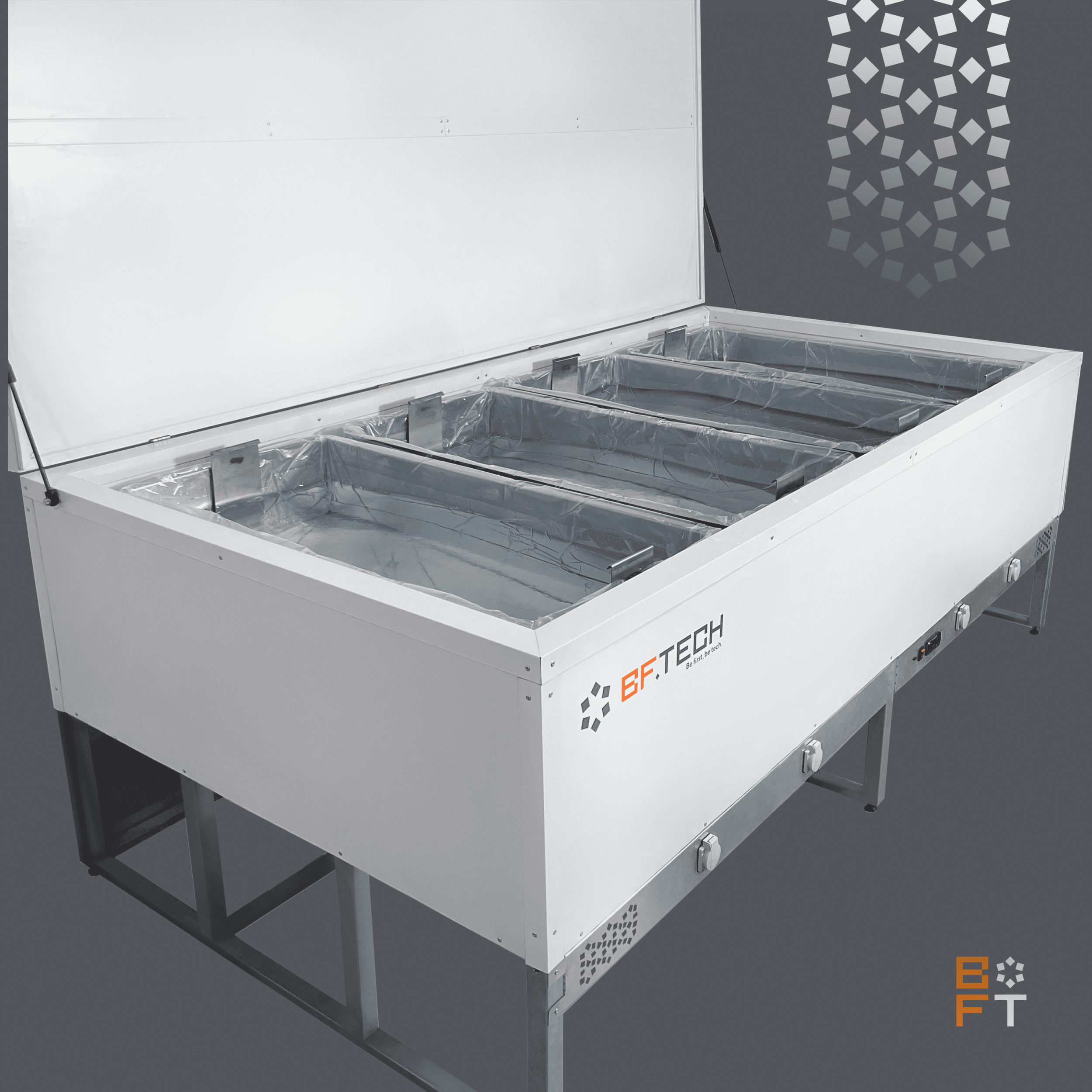
An ice generator functions as a large heat exchanger: the refrigerant moves through the system, the compressor compresses it, heat exchange occurs, and heat is transferred outside. The compressor is the main energy consumer. The more intensively it compresses the freon and removes heat, the more electricity is required.
How Much Electricity Does an Ice Maker Use?
The power consumption of an ice maker depends on the model and size. Let’s consider three devices for small, medium, and large establishments that require ice production as examples of how much electricity an ice maker uses.
| Model | BFTECH P30 | BFTECH P150 | BFTECH P300 |
| Intended use | Small cafés, restaurants, HoReCa | Medium restaurants, bars, cafés, small events | Hotels, banquet halls, large bars, industrial use |
| Production capacity | 75 kg/cycle/3 days | 260 kg/cycle/3 days | 520 kg/cycle/4 days |
| Ice maker power consumption | 650 W | 920 W | 1230–1400 W |
| Daily energy consumption | 8–15 kWh | 15–25 kWh | 30–35 kWh |
| Key advantages | Compact, no special lifting equipment required,
ideal for limited space |
Balanced size and output,
suitable for most HoReCa needs |
High ice output, efficient for
large-scale operations |
Energy consumption will increase with intensive ice production, high ambient temperatures, and frequent use. Another important criterion is how many watts an ice maker uses.
Understanding the Refrigeration Cycle
The ice maker does not operate continuously. It alternates between active cooling phases and pauses, so the total ice maker energy consumption is a variable indicator that depends on the operating mode.
Briefly about the stages of production and electricity consumption:
- Compressor operation. It compresses the refrigerant. It is like a pump that pushes liquid through the system under pressure. This stage consumes the most electricity.
- Heat removal. The compressed refrigerant is hot, so it passes through a condenser, where it releases heat into the air. The higher the ambient temperature, the longer and more costly this process is.
- Cooling. The refrigerant then enters an expansion valve or tube, where the pressure drops sharply and it cools down. Almost no electricity is consumed at this stage.
- Freezing water. The cooled refrigerant moves through the evaporator, where it absorbs heat from the water. The water gradually freezes and ice forms. If a lot of ice is needed, the compressor runs longer, resulting in higher electricity consumption.
- Ice separation. When the ice is ready, the machine slightly heats or stirs it so that it falls into the container.
- Pause or new cycle. When the container is full, the device goes into standby mode. The compressor turns off and electricity consumption is minimal. When the ice is removed, the cycle repeats.
If you know how the device works, it is easy to understand whether ice machines use a lot of electricity and how to reduce these figures.
Key Factors That Influence Ice Maker Energy Consumption

Factors affecting consumption:
- Type and size of the device – large commercial models consume more electricity than small household ones.
- Intensity of ice production – frequent or continuous production increases energy consumption.
- Ambient temperature – consumption increases in hot rooms.
- Location and heat exchange characteristics – proximity to walls or heat sources reduces efficiency.
- Maintenance – a clean condenser and evaporator save electricity.
- Production and pause modes – automatic pauses reduce compressor running time.
Therefore, the right choice, proper operation, and timely maintenance of the device help to save electricity.
Ambient Temperature and Installation Environment
The ambient temperature and installation conditions directly affect the efficiency of the ice maker and its power consumption:
- The hotter the room, the harder it is for the compressor to cool the refrigerant and remove heat.
- At high temperatures, the freezing cycle takes longer, the compressor works harder, and electricity consumption increases.
- If the ice maker is close to walls, heat sources, or in a poorly ventilated space, heat is removed less efficiently and the compressor consumes more energy.
Placing the ice maker in a cool, ventilated location significantly reduces electricity consumption and increases the efficiency of the ice maker.
Water Temperature and Supply
Water temperature and water quality also affect the ice maker’s energy consumption:
- Cold water freezes faster, so the ice production cycle is faster.
- Mineralized or contaminated water can cause scale buildup in the evaporator, which impairs heat exchange.
- Insufficient water pressure or uneven supply forces the system to work longer, increasing electricity consumption.
The use of cold, clean water and its stable supply allow the ice maker to operate economically.
The Impact of Maintenance on Reducing Ice Maker Power Consumption
Regular maintenance significantly reduces the ice maker’s power consumption:
- Dirty surfaces do not dissipate heat well, causing the compressor to run longer and consume more electricity. In contrast, a clean condenser and evaporator ensure efficient heat exchange and reduce the freezing cycle time.
- Accumulated calcium or other deposits hinder heat transfer, increasing the load on the system.
- Timely service and monitoring of the compressor prevents energy waste due to malfunctions or inefficient operation.
Proper maintenance keeps the ice maker running efficiently and reduces ice maker energy consumption.
Calculating Your Ice Maker’s Electricity Costs
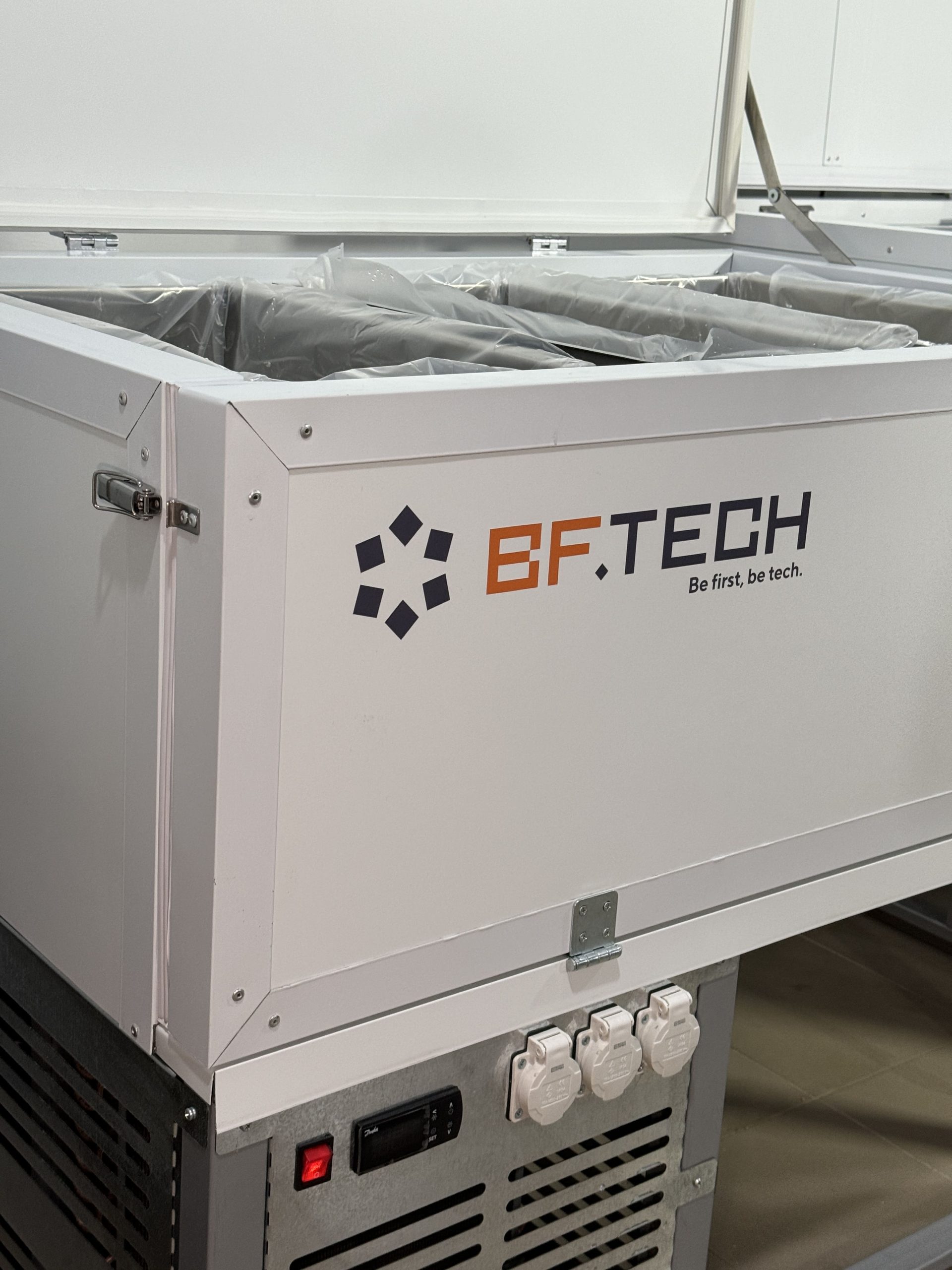
The exact costs depend on the power, intensity of use, and tariff. You can calculate the electricity costs for an ice generator using the formula: Consumption (kW/h) = Power (kW) × Operating time (h). As an example, let’s look at several consumption options for the BF Tech P150.
| 4 hours/day | 8 hours/day | 12 hours/day | |
| Daily consumption | 0.92 kW × 4 hours = 3.68 kWh/day | 0.92 kW × 8 hours = 7.36 kWh/day | 0.92 kW × 12 hours = 11.04 kWh/day |
| Monthly consumption | 0.92 kW × 4 hours × 30 days ≈ 110.4 kWh/month | 0.92 kW × 8 hours × 30 days ≈ 220.8 kWh/month | 0.92 kW × 12 hours × 30 days ≈ 331.2 kWh/month |
What Drives High Ice Maker Power Consumption?
Whether ice makers use a lot of electricity depends on many factors. High consumption is influenced by:
- High power.
- Intensive or continuous ice production.
- High air and water temperatures.
- Improper placement (near heat sources, in a poorly ventilated room).
- Contaminated condenser and evaporator, scale in the system.
- Improper maintenance and worn parts.
By eliminating these conditions, you can significantly reduce consumption.
How to Reduce Your Ice Maker’s Energy Consumption

Practical ways to reduce the energy consumption of your ice maker:
- Choose the right model for your needs. Don’t buy an overly powerful appliance if you don’t need a lot of ice.
- Only use the ice maker when necessary. Avoid continuous operation at maximum power — the compressor consumes the most energy during the freezing cycle.
- Install the device in a cool, well-ventilated area. Use cold water for freezing. Keep the ice maker away from heat sources.
- Ensure that air can circulate around the condenser so that heat can be dissipated efficiently.
- Clean the condenser, evaporator, and water tank to remove dirt and limescale. Check the condition of the compressor and electronics
- If the model has a standby mode or automatic shut-off when the container is full, use it.
The energy consumption of an ice generator can be significantly reduced by choosing the right model, optimizing operating time, maintaining cleanliness, and ensuring efficient heat exchange.
Choosing Energy-Efficient Ice Makers
When choosing an ice maker, energy efficiency is a criterion that can significantly reduce electricity costs and make operation more profitable in the long term. Energy-efficient models are typically equipped with advanced technologies such as variable speed compressors, which adjust operation to actual ice demand, and insulated cabinets that retain cold and reduce the amount of energy required to maintain temperature. Some models also feature water-cooled condensers or heat recovery systems that use the heat generated in the process to improve overall efficiency.
In addition, these models often run more quietly, have a longer service life, and are equipped with convenient features such as automatic shut-off when the reservoir is full or programmable timers that allow ice production to be started during “cheap” hours.
To make the right choice, pay attention to technical specifications, certification (e.g., ENERGY STAR), and your actual needs: a smaller but energy-efficient device may be more cost-effective than an overly powerful but inefficient unit. Compare models and evaluate the total cost.
Habits that Affect Your Ice Maker’s Electricity Bill
Another way to reduce the appliance’s consumption is to get rid of bad habits that increase electricity consumption:
- Instead of continuous operation when not needed, it is better to use the automatic mode or turn it off when the tank is full.
- Avoid opening the tank frequently, as this “releases” cold air and increases the compressor’s workload.
- Calculate your ice needs so you don’t produce too much.
- Do not ignore maintenance.
Timely maintenance, rational use, and proper placement of the ice maker help reduce electricity bills and save resources.
Conclusion
Ice makers consume electricity mainly when the compressor is running and the water is freezing. Household models have moderate consumption, typically 100–200 W per hour, while commercial devices can consume 300–1200 W per hour. High consumption is associated with frequent operation, high air and water temperatures, and a dirty condenser and evaporator. Choosing the right model ice block maker machine, optimal operating intensity, and regular maintenance help reduce electricity costs.
FAQ
What factors affect the power consumption of an ice maker?
The power consumption of an ice maker is affected by its power, intensity of operation, and type (domestic or commercial). Air and water temperature, installation conditions, and regular maintenance also play an important role.
What is the average daily electricity consumption of a refrigerator with an ice maker?
The average daily electricity consumption of a refrigerator with an ice maker is approximately 1-2 kW/h per day, depending on the model and frequency of ice use. The compressor and ice maker create an additional load, especially when the door is opened frequently and the room temperature is high.
How can I reduce the energy consumption of an ice maker?
To reduce the energy consumption of an ice maker, use it only when necessary and place it in a cool, well-ventilated area. Regular cleaning and maintenance also reduce the load on the compressor and electricity consumption.



MORE ABOUT THE AUTHOR